Buford properties face a unique set of environmental stressors, particularly due to the proximity of Lake Lanier and the volatile storm patterns of North Gwinnett. When water infiltrates your home or business—whether via a subterranean pipe burst or a structural roofing breach—it initiates a destructive process of “wicking.” Moisture doesn’t simply sit on the surface; it migrates vertically through your drywall and saturates the porous framing of your foundation.
In the humid Georgia climate, stagnant water is the primary catalyst for microbial colonization. Within 24 to 48 hours, high humidity levels can fuel toxic mold growth, compromising both the structural integrity of your building and the health of its occupants. Managing this risk requires an industrial-grade approach that balances high-volume extraction with scientifically monitored dehumidification.
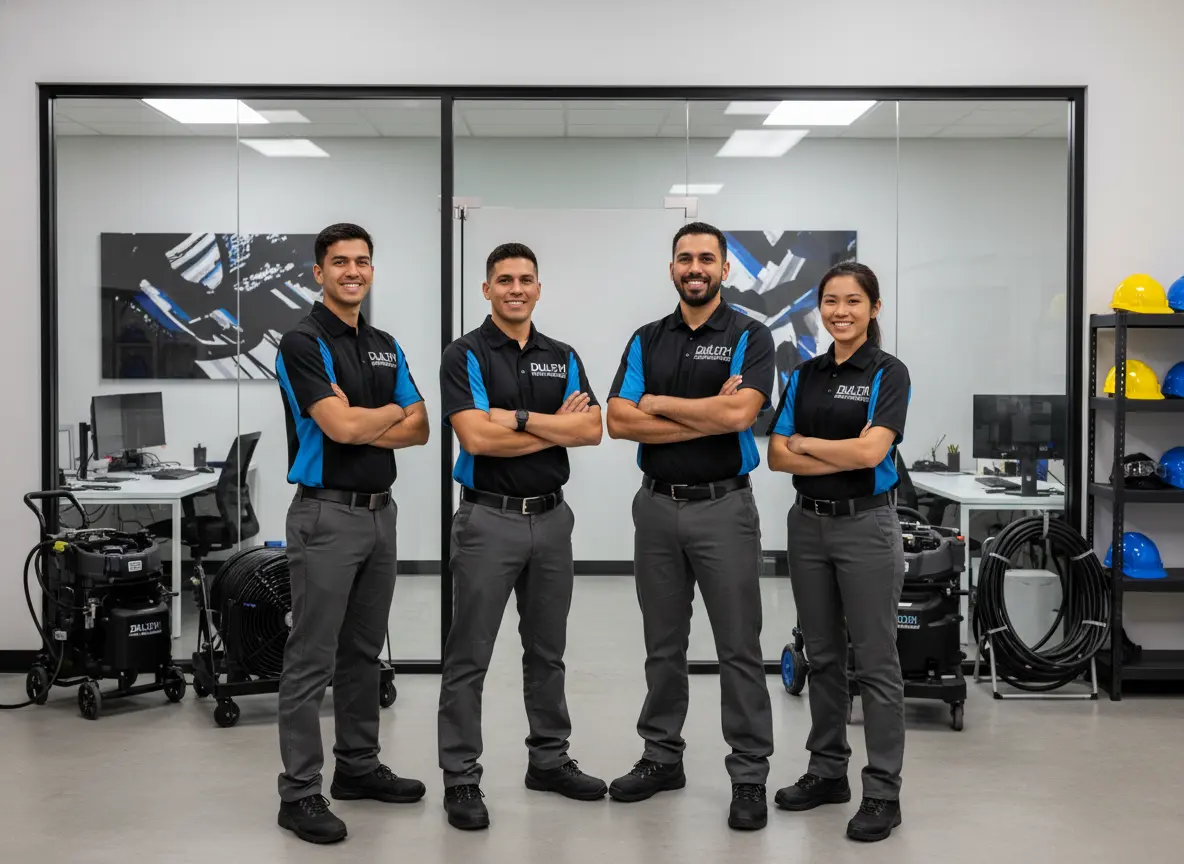
At Duluth Water Damage Restoration, we provide elite, IICRC-certified recovery services tailored to the Buford community. We stabilize your property with surgical precision, ensuring that “hidden” moisture pockets are eliminated before they cause permanent rot. Dial (678) 679-5651 for an immediate 24/7 technical response.
Technical Mitigation & Structural Engineering
Restoration in the Buford area is a science governed by **Psychrometry**—the study of thermodynamic properties of moist air. We don’t just “dry” a room; we manipulate the vapor pressure to draw deep-seated moisture out of dense materials like hardwood floors, wall studs, and subflooring. By lowering the grain-per-pound (GPP) count in the air, we force evaporation to happen at an accelerated rate, protecting your property from secondary damage.
Industrial Extraction
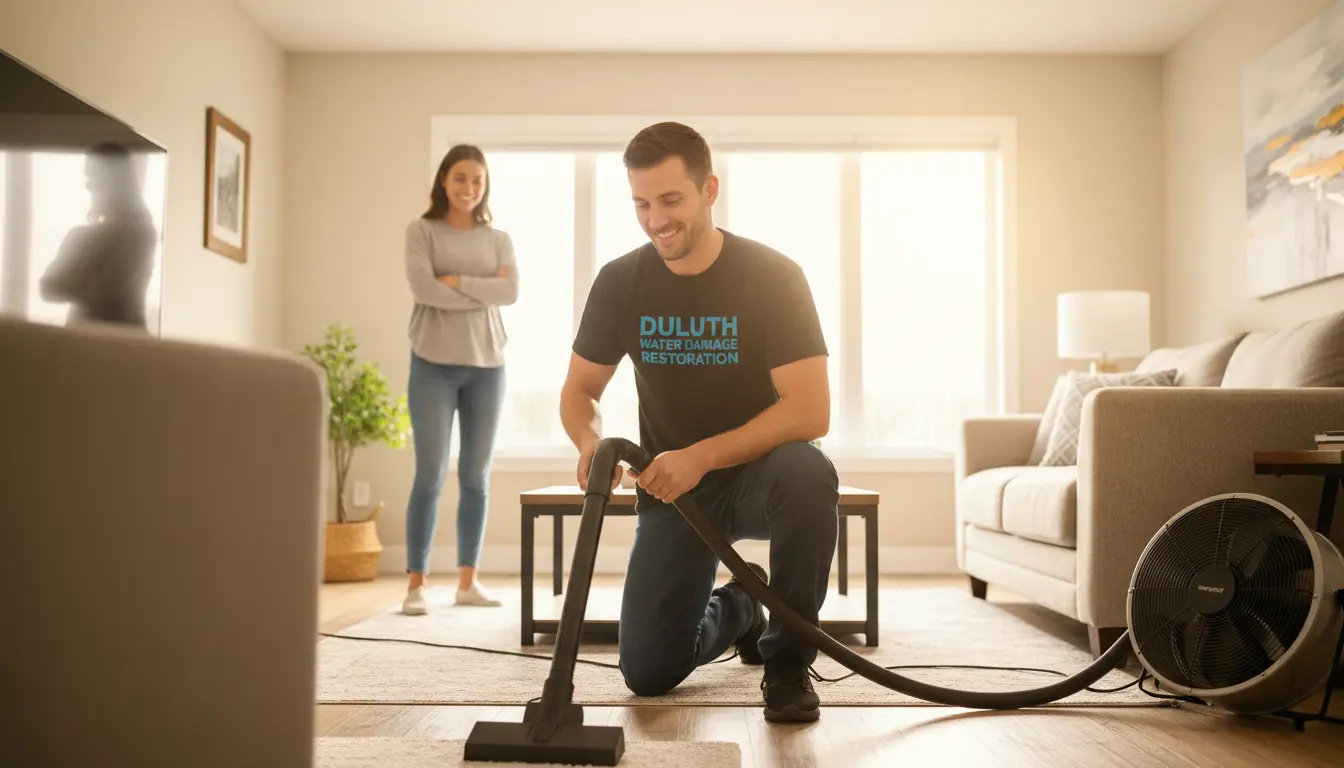
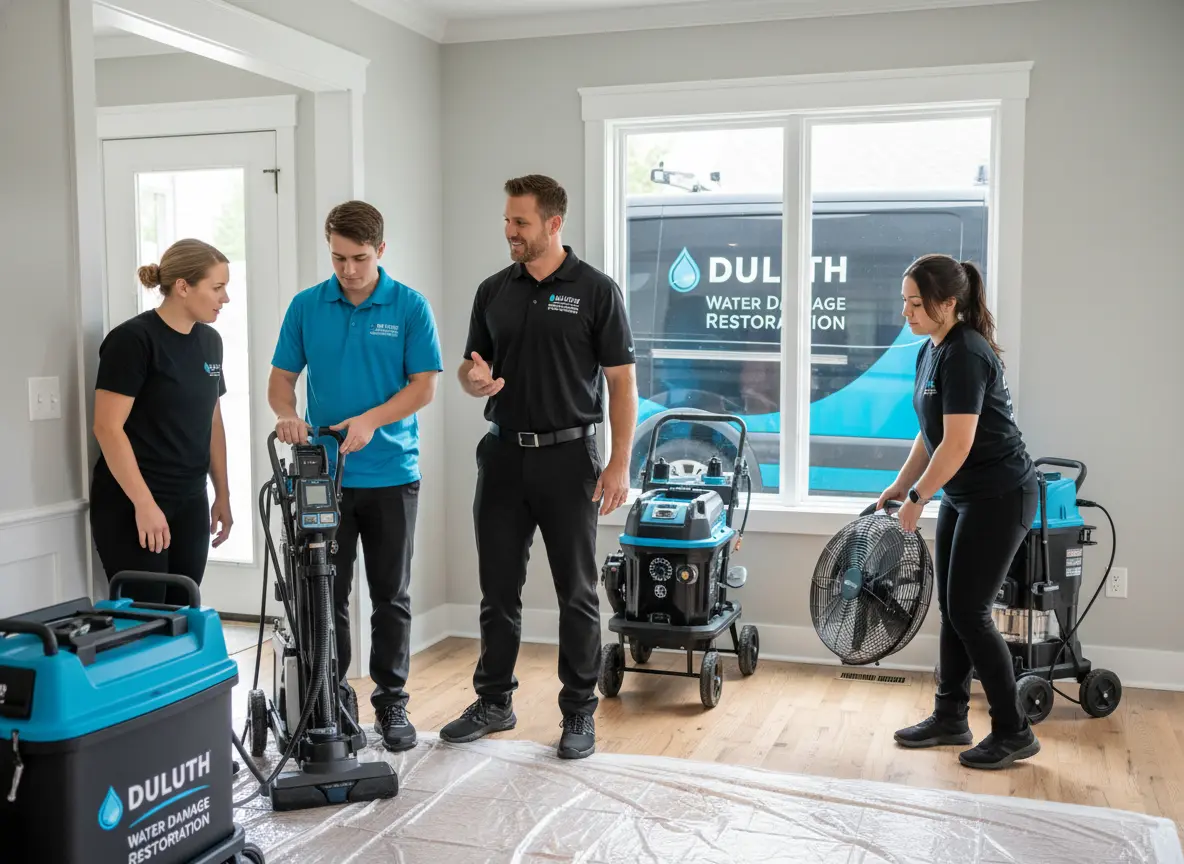
We deploy truck-mounted extraction systems to remove standing water instantly. This phase is critical to prevent the wicking effect that moves water into wall cavities and upper-level baseboards.
Thermal Diagnostics
Water often hides where the human eye cannot see. We use infrared thermal imaging to map moisture migration behind drywall and under cabinets, ensuring every pocket of dampness is identified.
LGR Dehumidification
In Georgia’s high humidity, standard fans are ineffective. Our dehumidification equipment utilizes refrigerant technology to pull gallons of water out of the air daily.
Buford Resident Emergency Response Protocol
In a water crisis, the first 60 minutes determine the severity of the long-term structural damage. While our technical team is en route to your Buford location, taking these proactive steps can significantly reduce the risk of secondary losses:
- Mitigate Electrical Risks: If water has reached floor outlets or baseboards, immediately cut the main circuit breaker. Do not walk into water-filled rooms with active power.
- Starve the Intrusion: Locate your main water shut-off valve—typically found in the garage or near the street meter—and turn it clockwise to stop the flow of water instantly.
- Elevate Furnishings: Place aluminum foil or wood blocks under the legs of heavy furniture. This stops water from wicking into the wood and prevents wood stains from permanently bleeding into carpets.
- HVAC Control: If your air conditioner is safe to use, turn it to 68°F. Cooler air holds less moisture, helping the dehumidification process begin even before our commercial units arrive.
The Local Advantage in Gwinnett County
We are not a franchise service arriving from out of state; we are your neighbors. We understand the specific soil conditions, drainage challenges, and architectural styles of Buford homes. Whether you are dealing with a basement flood near **Lake Lanier** or a commercial plumbing failure near the **Mall of Georgia**, we treat your property with the technical respect it deserves.
While our technicians manage the moisture mapping and insurance documentation, take a moment to step away from the stress. Enjoy the walking trails at **Buford Community Park** or explore the history of **Downtown Buford**. If you have any concerns regarding the process, please contact us for immediate clarification.
Frequently Asked Questions
How long does the structural drying take in Buford?
A typical residential drying cycle in Georgia’s climate takes between 3 to 5 days. We monitor the site daily with moisture meters to ensure every material has reached its pre-loss dry standard before we remove equipment.
Do you work directly with insurance companies?
Yes. We utilize Xactimate—the industry-standard estimating software—and provide the photographic evidence and moisture logs your adjuster needs to process your claim accurately and quickly.
Are your technicians certified for mold prevention?
Absolutely. Every lead technician is IICRC-certified in Water Damage Restoration (WRT). We utilize hospital-grade mold remediation protocols to ensure your indoor air quality is protected post-recovery.
Restore Your Buford Home with Precision
From localized plumbing failures to major storm damage, trust the local experts to return your property to its original condition.
Call (678) 679-5651 For Immediate Response