The Parkland residential corridor near Duluth represents some of Gwinnett County’s most meticulously maintained properties, yet the area’s lush vegetation and varied topography create complex drainage challenges. When water enters your living space—whether via a pressurized pipe burst or a flash-flood event—it initiates an immediate chemical and physical reaction with your home’s infrastructure.
Because water is a non-compressible fluid, it exerts immense pressure on building materials, forcing its way into subfloors and wall cavities where it remains trapped long after the surface appears dry. In the humid Georgia climate, these hidden “wet pockets” become primary breeding grounds for microbial colonies within 24 to 48 hours. Successful recovery requires an industrial-grade mitigation strategy that addresses both visible saturation and invisible vapor pressure.
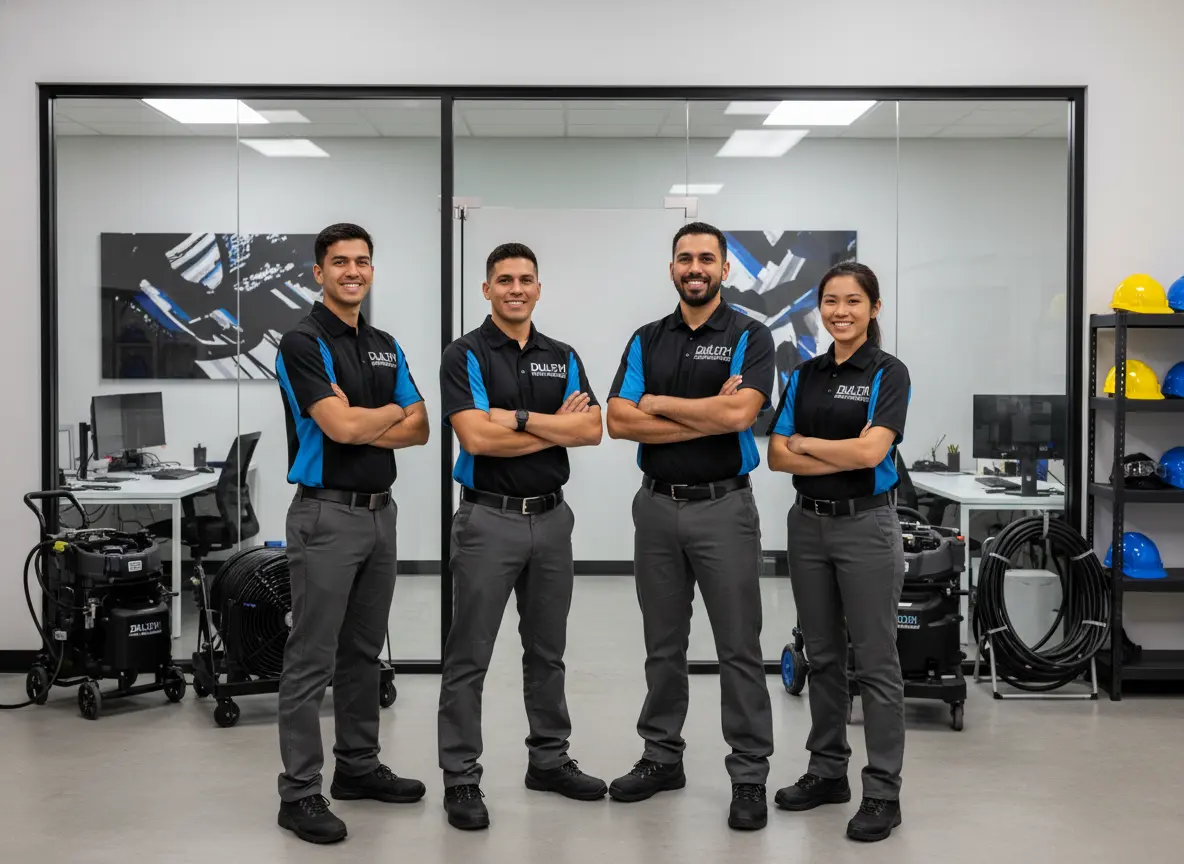
At Duluth Water Damage Restoration, we deploy IICRC-certified stabilization teams specifically for Parkland and neighboring communities such as Medlock Bridge and St. Marlo Country Club. We are equipped to handle the technical complexities of high-end home restoration. Dial (678) 679-5651 for an immediate 24/7 technical response.
Scientific Mitigation & Structural Stabilization
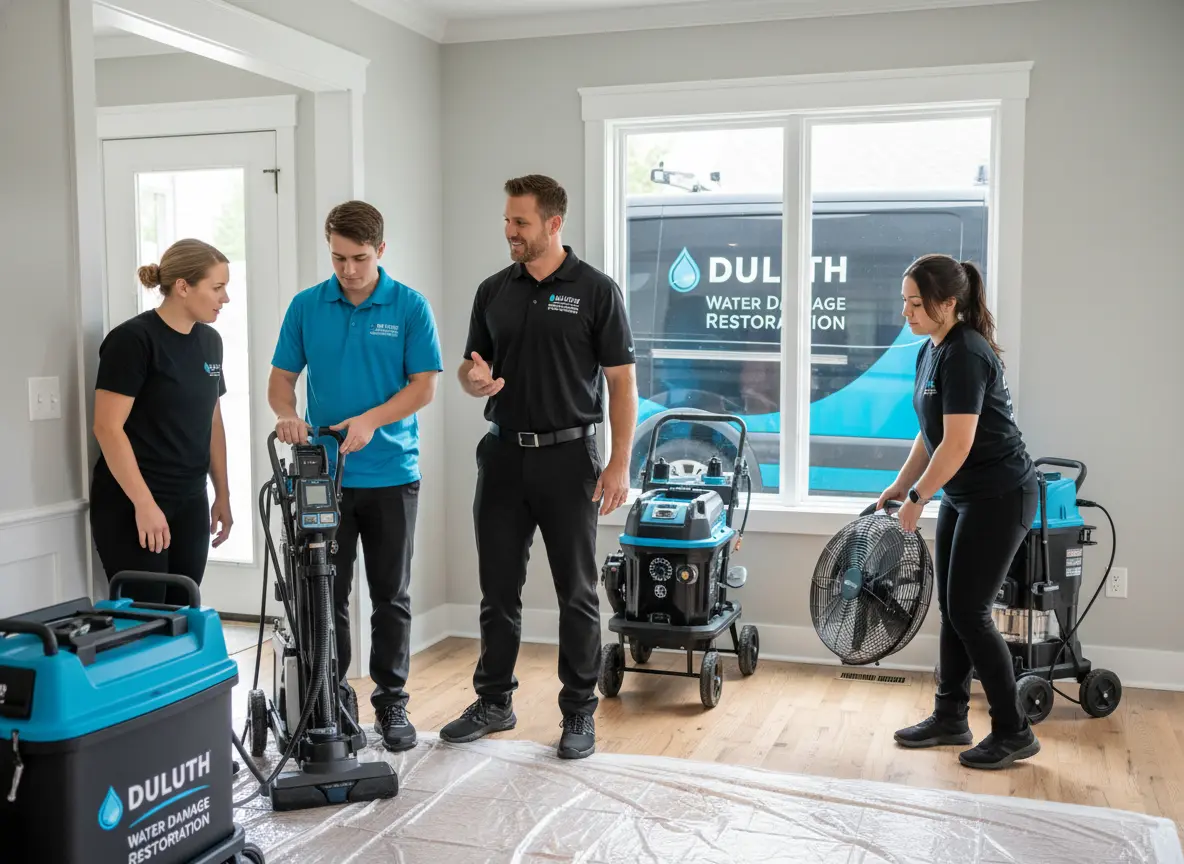
Modern restoration is a discipline rooted in **Psychrometry**—the management of thermodynamic properties in the air to drive evaporation. We don’t just “dry” a room; we control the environment to pull deep-seated moisture out of structural timbers. We utilize emergency water removal protocols that combine LGR dehumidifiers with high-velocity air movers to prevent long-term rot and structural decay.
Extraction & Cleanup
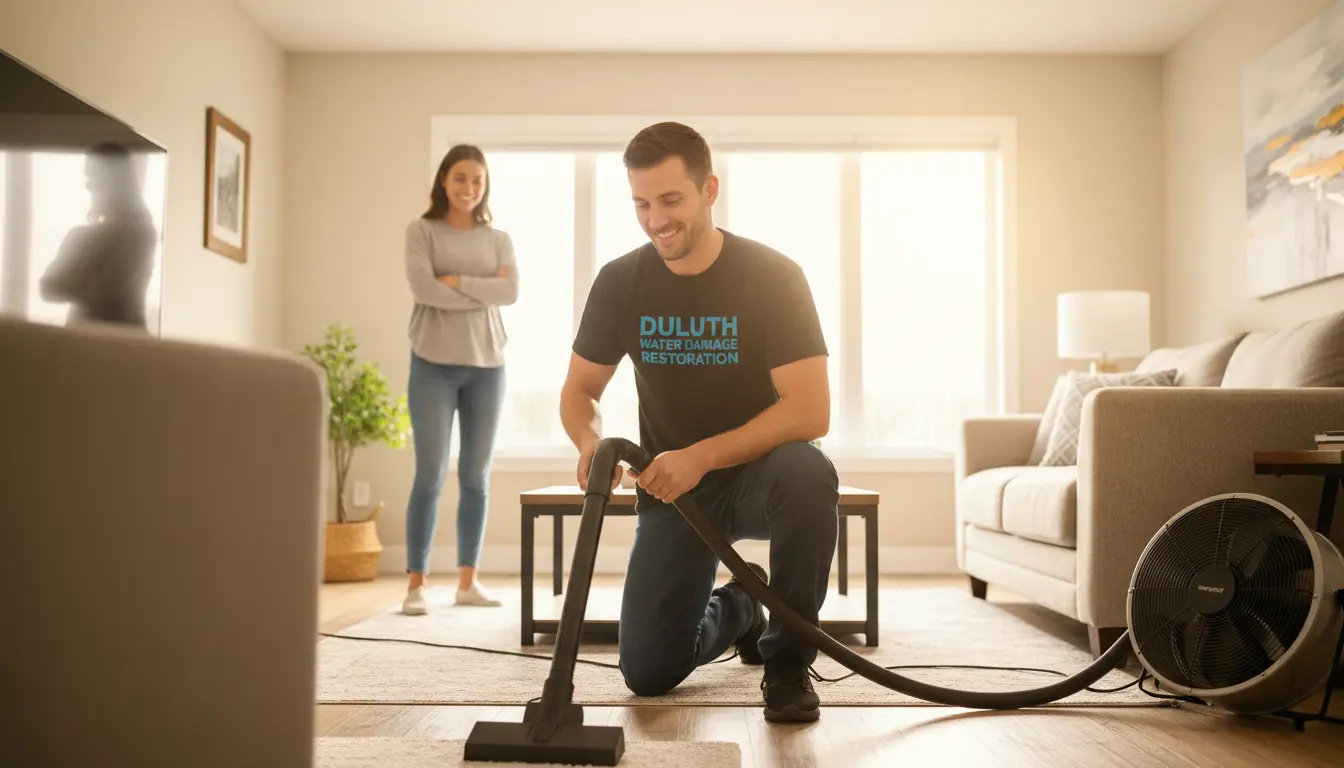
We utilize truck-mounted extraction systems to remove standing water instantly. This phase is critical to stop the wicking effect before water reaches your insulation. Our flood cleanup operations are designed for rapid site stabilization.
Thermal Diagnostic
Water hides in wall cavities where the eye cannot see. We use infrared thermal imaging to map hidden moisture migration, ensuring every damp pocket is identified and treated before we depart.
Pathogen Neutralization
When plumbing systems fail, we provide certified sewage backup restoration. We utilize hospital-grade antimicrobials to ensure your property is biologically safe for habitation.
Immediate Emergency Protocol for Parkland Residents
In a water crisis, the first 60 minutes determine the severity of your long-term losses. While our response team is en route, taking these proactive measures can help stabilize your home. For deeper insights, review our guide on how to handle water damage after winter leaks.
- Neutralize the Danger: Do not wade into standing water if it has reached electrical outlets. Immediately shut off power to the affected zone at your main breaker panel.
- Arrest the Flow: If the damage originates from an internal plumbing failure, locate your main water shut-off valve and turn it clockwise to cut the supply instantly.
- Protect Your Furnishings: Place aluminum foil or wood blocks under heavy furniture legs. This prevents wood stains from bleeding into damp carpets and stops moisture from wicking into wood finishes.
- Control the Humidity: If your HVAC system is safe to run, turn it to 68°F. Cooler air helps the initial dehumidification process begin before our commercial units arrive.
The Local Advantage in Gwinnett County
We are not just a restoration company; we are your neighbors. We understand the specific soil conditions, drainage challenges, and architectural styles of Parkland-area homes. Whether you are dealing with a basement flood near **Lake Lanier** or a plumbing failure near the **Infinite Energy Arena**, we treat your property with technical respect.
While our technicians manage the extraction and insurance documentation, take a moment to de-stress. Enjoy the walking trails at the **Chattahoochee River National Recreation Area** or visit the **Duluth Fall Festival Grounds**. We handle the heavy lifting, the moisture meters, and the final structural repairs so you can focus on your family.
Frequently Asked Questions
How long will the drying process take?
For a typical residential loss in the Parkland corridor, the drying phase takes between 3 to 5 days. We perform daily moisture monitoring to ensure every material has reached its pre-loss “Dry Standard.”
Do you work directly with insurance carriers?
Yes. We use industry-standard software (Xactimate) and provide the moisture maps and photographic evidence adjusters need to approve your claim quickly.
Are your technicians certified?
Absolutely. Every lead technician is IICRC-certified in Water Damage Restoration (WRT) and Applied Structural Drying (ASD), ensuring your home meets all health and safety standards post-recovery.
Restore Your Parkland Home with Precision
From localized plumbing failures to major storm damage, trust the local Duluth experts to return your property to its original condition.
Call (678) 679-5651 For Immediate Response