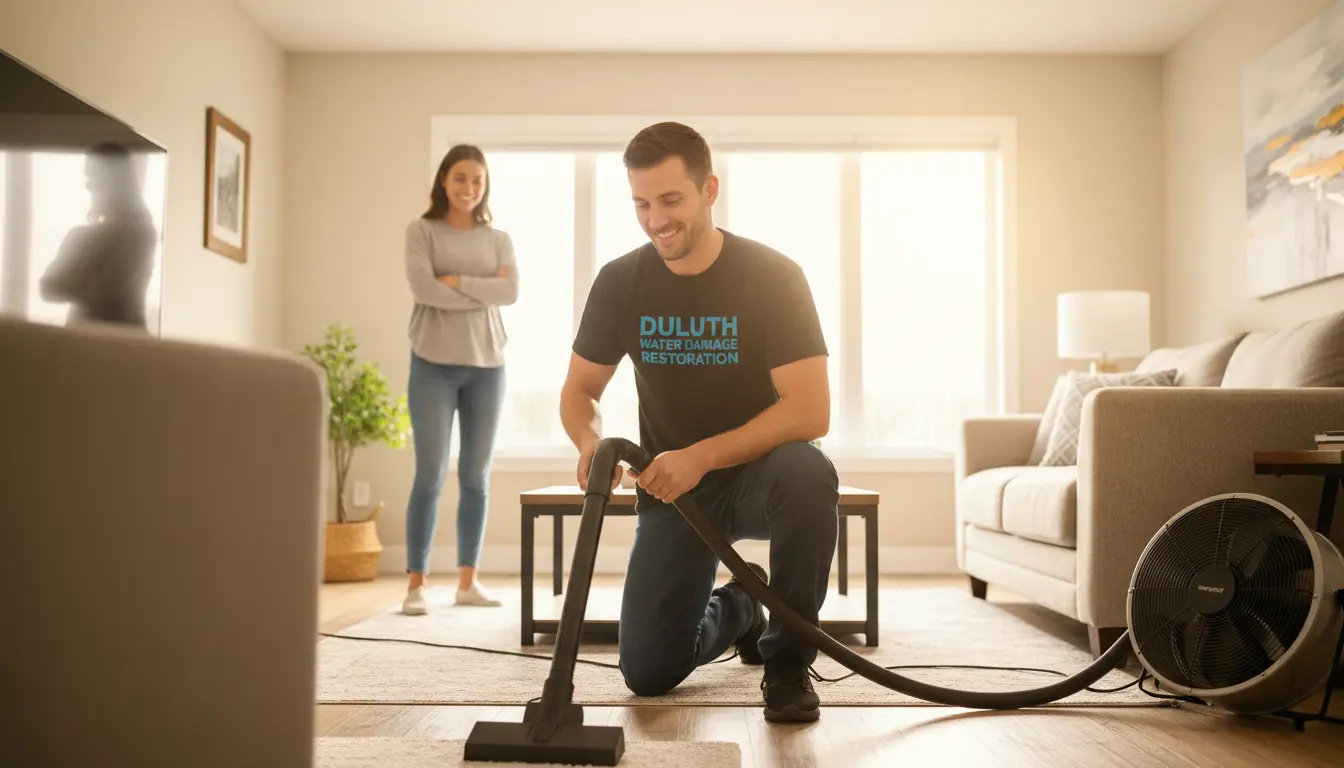
When a basement flood hits near Canal Park in Duluth, the consequences can be devastating, with costs ranging from $3,000 to $10,000 or more, depending on the extent of the damage. If not addressed promptly and properly, water damage can lead to secondary issues like mold growth, structural weakening, and even health risks. The key to mitigating these issues is understanding how fast you should act after a basement flood near Canal Park.
The importance of immediate action cannot be overstated. Every minute counts when it comes to water damage restoration. The sooner professional help is sought, the better the chances of minimizing damage and preventing long-term problems. In areas like Duluth, where freezing temperatures and rapid snowmelt can exacerbate water damage, the need for swift action is even more critical.
Duluth Water Damage Restoration is a premier service provider in the area, equipped with the expertise and technology to handle basement floods effectively. With their help, homeowners can navigate the complex process of water damage restoration, ensuring their properties are restored to a safe and healthy condition.
Understanding the Technical Process
The process of water damage restoration is multifaceted and technically demanding. It begins with an initial hazard assessment to identify potential risks such as electrical hazards, contaminated water, or structural instability. Following this assessment, moisture mapping is conducted to determine the extent of the water intrusion, using tools like penetrating moisture meters and thermal imaging cameras to locate hidden moisture.
Standing water extraction is then performed using truck-mounted extraction units, which are capable of removing large volumes of water quickly and efficiently. After extraction, the focus shifts to evaporation and dehumidification, where LGR (Low Grain Refrigerant) dehumidifiers and centrifugal air movers are employed to create an environment conducive to drying. This process is scientifically grounded, taking into account principles like vapor pressure and psychrometry to ensure effective drying.
In the context of Duluth, where indoor heating dynamics and freezing ambient temperatures can significantly impact the drying process, the choice of drying method is crucial. Professionals must consider these local variables to determine the most appropriate approach, whether it involves manipulating temperature and humidity levels or employing specific equipment designed to operate effectively in such conditions.
Data Comparison
When it comes to water damage restoration, the equipment used can significantly impact the outcome. Professional-grade LGR dehumidifiers, for example, offer superior performance compared to standard residential dehumidifiers, particularly in terms of water removal rate and drying time. The following comparison highlights the differences:
| Feature/Metric | Professional LGR Dehumidifiers | Standard Residential Dehumidifiers |
|---|---|---|
| Water Removal Rate | High | Low |
| Drying Time | Faster | Slower |
| Risk of Secondary Mold | Lower | Higher |
Source: IICRC S500 Reference Guide
Expert Insights
Professionals in the field of water damage restoration often emphasize the importance of understanding vapor pressure differentials and how they impact the drying process. Safely shutting off utilities and isolating wet zones are also critical steps that can prevent further damage and ensure safety. Moreover, using improper equipment or delaying extraction can lead to severe consequences, including structural rot and secondary mold proliferation.
Common mistakes made by property owners include relying solely on surface drying while ignoring trapped moisture and using DIY methods that are not equipped to handle the scale and complexity of water damage. These mistakes can result in delamination of flooring, warping of wood, and significant economic losses. By seeking professional help, homeowners can avoid these pitfalls and ensure their properties are restored effectively.
Pricing and Cost Factors
The cost of water damage restoration can vary widely, depending on several factors. These include the category and class of water damage, the extent of the affected area, and the need for specialized equipment or services such as hazardous material handling. Pricing structures may be based on per square foot of extraction, daily equipment rental rates, or costs associated with specific services like structural tear-out and reconstruction.
Bullet points summarizing the key cost factors include:
- Per square foot of extraction, with rates varying based on the complexity of the job and the equipment required.
- Daily equipment rental rates for air movers, dehumidifiers, and other necessary tools.
- Costs associated with the Category and Class of water damage, with Category 3 (black water) being the most expensive due to the high risk of health hazards.
- Specialized services like hazardous material handling, which may be required in older homes with asbestos or lead.
- Structural tear-out requirements, which can significantly increase the cost of restoration, especially if extensive rebuilding is needed.
Safety and Standards
Safety is paramount in water damage restoration, with professionals adhering to strict protocols and standards. This includes the use of EPA-registered biocides for antimicrobial treatment and the implementation of proper PPE (Personal Protective Equipment) to protect against health risks. Certifications like IICRC WRT (Water Restoration Technician) and ASD (Applied Structural Drying) are indicators of a professional’s expertise and commitment to safety and quality.
The practical importance of these standards and protocols cannot be overstated, particularly in scenarios involving electrical hazards, contaminated water, or the presence of pets, children, or individuals with compromised immune systems. By prioritizing safety and adhering to established standards, professionals can ensure that water damage restoration is conducted in a manner that protects both people and property.
FAQs
What are the first steps I should take after discovering a basement flood?
The first steps after discovering a basement flood should focus on safety and mitigation. This includes turning off the main power and water supplies if it’s safe to do so, avoiding walking in flooded areas to prevent electrical shock, and contacting a professional water damage restoration service. It’s also crucial to document the damage for insurance purposes, taking photos and videos of the affected areas.
How long does the water damage restoration process typically take?
The duration of the water damage restoration process can vary significantly, depending on the extent of the damage, the complexity of the drying process, and the size of the affected area. Generally, the process can take anywhere from a few days to several weeks. Professionals will be able to provide a more accurate timeline after assessing the situation.
Can I use a wet/dry vacuum to remove water from my basement?
While a wet/dry vacuum can be useful for removing small amounts of water, it is not a substitute for professional water extraction equipment in the case of a significant basement flood. Professional extraction units are much more efficient and can remove large volumes of water quickly, which is crucial for minimizing damage and preventing secondary issues like mold growth.
How do I know if my basement flood is covered by insurance?
Insurance coverage for basement floods depends on the cause of the flood and the specifics of your policy. Generally, if the flood is due to a sudden and accidental event like a burst pipe, it may be covered. However, if the flood is a result of maintenance issues or gradual water damage, it might not be covered. Reviewing your policy and consulting with your insurance provider can provide more clarity.
Professional Water Damage Restoration in Duluth
In conclusion, the importance of acting quickly and seeking professional help after a basement flood near Canal Park cannot be overstated. Duluth Water Damage Restoration offers the expertise, technology, and commitment to safety and quality that homeowners need to navigate the complex and often daunting process of water damage restoration. By choosing professional services, property owners can ensure their homes are restored to a safe, healthy, and functional state, minimizing long-term risks and financial burdens.
Given the complexities and risks associated with water damage, it’s imperative to act swiftly and wisely. Duluth Water Damage Restoration stands as a reliable and authoritative partner in the face of such emergencies, providing not just restoration services, but also peace of mind and a path towards full recovery.