
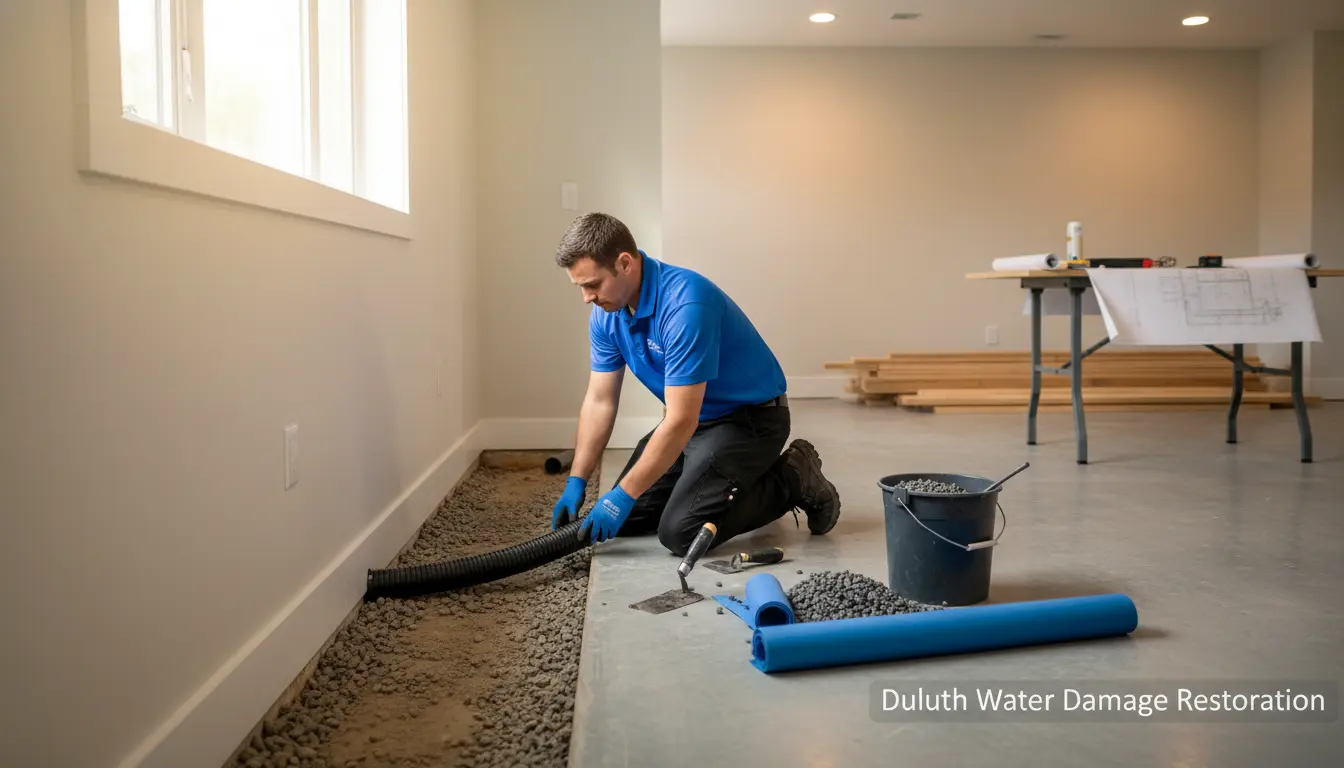
Imagine this: It’s a typical Georgia summer afternoon, and a sudden downpour turns your quiet Duluth neighborhood into a watery nightmare. Water starts seeping into your basement, threatening your valuables, your home’s structure, and your peace of mind. Basement flooding isn’t just an inconvenience—it’s a costly disaster that affects thousands of homeowners in Georgia each year. As the leading water damage restoration experts in Duluth, Duluth Water Damage Restoration understands the unique challenges posed by our region’s heavy rainfall, clay-heavy soils, and occasional tropical storms. In this comprehensive guide, we’ll walk you through proven strategies to prevent basement flooding, keeping your home dry and secure. Whether you’re in Duluth or nearby areas like Abbotts Bridge, these tips can make all the difference.
Understanding Basement Flooding Risks in Georgia
Georgia’s climate is a double-edged sword—beautiful springs and falls come with intense rain events that can overwhelm even the sturdiest homes. According to the National Weather Service, Georgia experiences an average of 50 inches of rainfall annually, with much of it concentrated in short bursts. This puts basements at high risk, especially in the metro Atlanta area including Duluth, where urban development has altered natural drainage patterns.
Common Causes of Basement Flooding
Basement flooding can stem from multiple sources, and identifying them early is key to prevention. The most frequent culprits include:
- Poor Exterior Drainage: Water pooling around your foundation due to sloped landscaping or clogged gutters.
- Foundation Cracks: Over time, soil shifts and water pressure can cause cracks in concrete walls, allowing moisture to infiltrate.
- Sewer Backups: Heavy rains can overload municipal systems, leading to backups into homes— a common issue in older Duluth neighborhoods.
- Roof Leaks: Damaged shingles or improper flashing direct water straight to your foundation.
- High Water Table: In areas like Medlock Bridge, seasonal groundwater rises can push water up through floors.
Understanding these risks helps you prioritize preventive actions. For instance, if you’ve noticed water stains on your walls after a storm, it’s time to act before minor issues escalate.
Why Duluth Homes Are Particularly Vulnerable
Duluth’s location in Gwinnett County exposes homes to unique flooding threats. The area’s red clay soil doesn’t absorb water well, leading to rapid runoff that can erode foundations. Combine this with the Chattahoochee River’s influence and frequent thunderstorms, and basements become prime targets. Local data from the Georgia Emergency Management Agency shows that flooding causes over $100 million in damages annually in the region. Homes in Duluth built before modern building codes are especially at risk, but even newer constructions can suffer if maintenance is neglected.
Preventive Measures for Your Basement
Prevention is far cheaper than restoration—studies show that proactive steps can reduce flooding risks by up to 80%. Let’s dive into actionable advice tailored for Georgia homeowners.
Improve Drainage Around Your Home
Start with the basics: Ensure water flows away from your foundation. Grade your yard to slope at least 6 inches over the first 10 feet away from the house. Install French drains or swales if your property is flat—this is particularly useful in Duluth’s varied terrain.
For more severe issues, consider professional grading services. If heavy rains cause persistent pooling, our team at Duluth Water Damage Restoration can assess and recommend solutions. Additionally, extend downspouts at least 5-10 feet from the foundation to direct water safely.
Maintain Gutters and Downspouts
Gutters are your home’s first line of defense against roof runoff. Clean them twice a year—once in spring and once in fall—to prevent clogs from leaves and debris, which are abundant in Georgia’s oak-lined streets. Install gutter guards for long-term ease.
If you suspect a roof leak sealing issue contributing to basement problems, don’t delay. Water from a compromised roof can cascade down and overwhelm your basement. Regular inspections, especially after storms, can catch issues early.
Waterproofing Your Basement Walls
Applying a waterproof sealant to interior and exterior basement walls creates a barrier against moisture. For exterior work, excavate around the foundation and apply a rubberized membrane—ideal for Duluth’s humid climate. Interior options like hydraulic cement for cracks are DIY-friendly but professional application ensures longevity.
In high-risk areas like Dacula, combining waterproofing with interior drainage systems prevents hydrostatic pressure buildup. This one-time investment can save thousands in future repairs.
Regular Maintenance Tips to Keep Flooding at Bay
Consistency is key. Incorporate these habits into your home routine to stay ahead of potential floods.
Inspect for Cracks and Seal Them Promptly
Walk your basement quarterly, looking for hairline cracks or efflorescence (white powdery deposits indicating water intrusion). Use epoxy injections for structural cracks or polyurethane for smaller ones. Early sealing prevents expansion during freeze-thaw cycles, though rare in Georgia, they do occur in winter.
If mold appears—a common flooding aftermath—seek mold remediation experts immediately. Mold thrives in damp basements and can pose health risks to your family.
Install and Maintain a Sump Pump
A reliable sump pump is essential for Georgia homes. Choose a battery backup model to handle power outages during storms. Place it in the lowest part of your basement and test it monthly by pouring water into the pit.
For advanced protection, consider a sump pump with a water alarm. In Duluth, where power flickers during heavy rains, this upgrade is invaluable. If your pump fails during a flood, our structural drying process can restore your home efficiently.
Monitor Indoor Humidity and Ventilation
Keep basement humidity below 60% using a dehumidifier, especially in summer. Ensure proper ventilation to avoid condensation. These steps complement exterior efforts and prevent musty odors or wood rot.
What to Do If Flooding Occurs Despite Prevention
Even with precautions, floods can happen. Shut off utilities, avoid contaminated water, and call professionals immediately. For sewage backup restoration, time is critical to avoid health hazards. In areas like Stevens Creek, where backups are more common, quick response minimizes damage.
After extraction, opt for post-restoration cleaning to ensure your space is safe and fresh.
FAQ: Common Questions About Basement Flooding Prevention
1. How often should I clean my gutters in Duluth?
Twice a year is standard, but increase to quarterly if you have many trees. This prevents overflow that leads to foundation saturation.
2. Is a sump pump necessary for every Georgia home?
Not always, but highly recommended if your basement is below grade or in a flood-prone area like Duluth. It handles excess groundwater effectively.
3. What are the signs of impending basement flooding?
Watch for musty smells, damp walls, or water stains. Exterior clues include soil erosion near the foundation or poor yard drainage.
4. Can I waterproof my basement myself?
DIY sealants work for minor issues, but professional waterproofing is best for comprehensive protection, especially in clay soil regions.
5. How much does basement flood prevention cost?
Costs vary: Gutter cleaning ($100-200), sump pump installation ($500-1,500), full waterproofing ($2,000-10,000). Prevention saves on restoration bills averaging $5,000+.
Conclusion: Safeguard Your Home Today
Preventing basement flooding in Georgia homes requires vigilance, but the rewards—a dry, secure space—are worth it. From enhancing drainage to regular inspections, these steps empower you to protect your investment. In Duluth and surrounding communities, unexpected rains are part of life, but flooding doesn’t have to be.
If you’re concerned about your home’s vulnerability or need expert advice, contact Duluth Water Damage Restoration today. Our local team serves Duluth and beyond with tailored solutions. Schedule a free inspection now and keep your basement flood-free—call us at (678) 679-5651 or visit our website to get started.