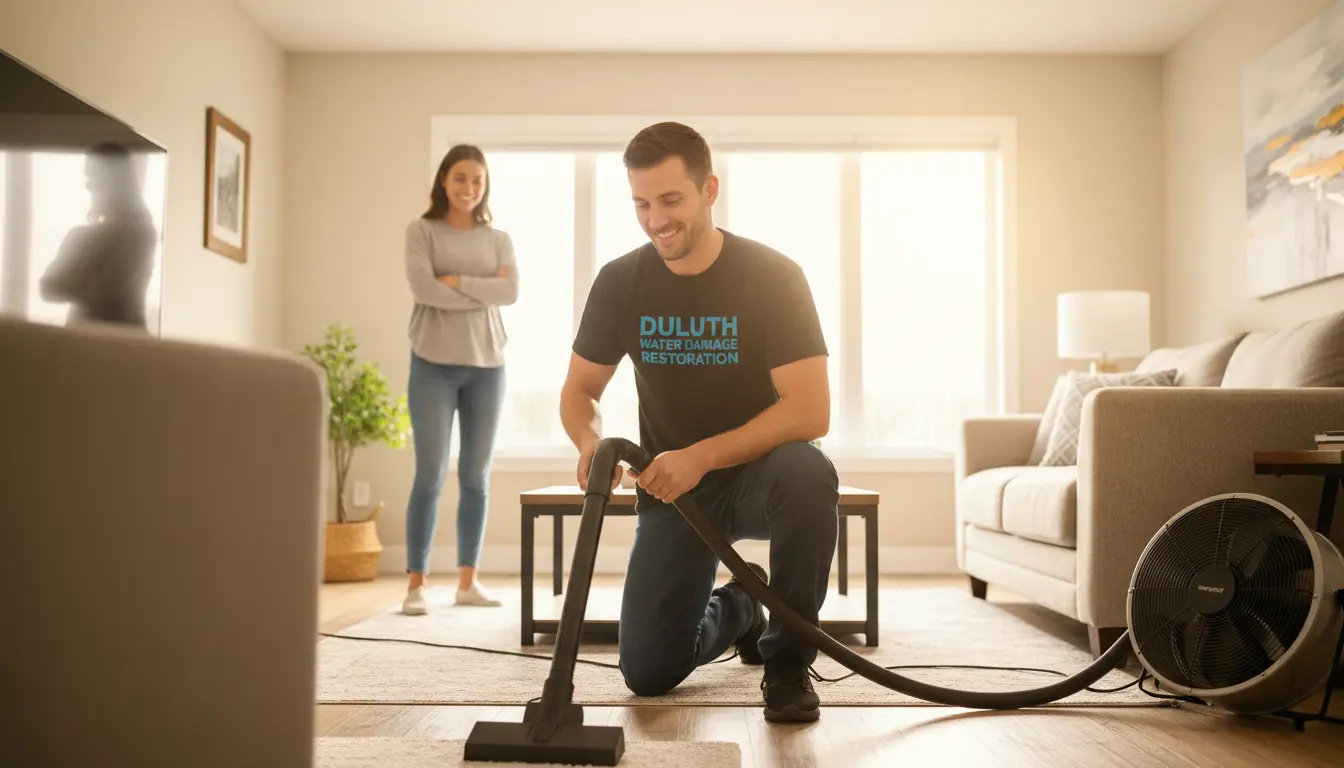
It’s a chilly winter morning in Duluth, Minnesota, and Sarah, a local homeowner, wakes up to find her basement flooded due to a burst pipe. The freezing temperatures have caused the pipe to expand and eventually rupture, leaving her with a mess to clean up. As she frantically searches for a solution, she realizes that immediate professional water mitigation is critical to prevent further damage and potential health risks. This is where Duluth Water Damage Restoration comes in – the premier service provider in the area, equipped with the expertise and equipment to tackle even the most daunting water damage scenarios.
The importance of prompt action cannot be overstated, as delayed response can lead to secondary water damage, mold growth, and even structural compromise. Duluth Water Damage Restoration understands the nuances of Duluth’s climate, where freezing winter temperatures and rapid spring snowmelt flooding can wreak havoc on homes and businesses. Their team of certified experts is well-versed in the latest techniques and technologies, including psychrometry, moisture mapping, and LGR dehumidification, to ensure a thorough and efficient restoration process.
As a trusted authority in water damage restoration, Duluth Water Damage Restoration has helped numerous homeowners and businesses in the area navigate the complexities of water damage recovery. Their comprehensive services include initial hazard assessment, standing water extraction, evaporation/dehumidification, and anti-microbial application, all designed to restore properties to their pre-damage condition. For more information on the common causes of water damage in Duluth, visit our page on Top 7 Causes Of Water Damage For Duluth Residents.
Technical Process
The professional water damage restoration workflow involves a meticulous step-by-step approach, beginning with an initial hazard assessment to identify potential risks and hazards. This is followed by moisture mapping, which utilizes penetrating moisture meters and thermal imaging cameras to detect hidden moisture and map the affected areas. Standing water extraction is then performed using truck-mounted extraction units, and the area is dried using LGR dehumidifiers and centrifugal air movers.
The scientific reasoning behind these tools and techniques lies in the manipulation of temperature and humidity to create an environment conducive to evaporation and drying. For example, LGR dehumidifiers are designed to remove excess moisture from the air, while centrifugal air movers help to increase airflow and speed up the drying process. In Duluth’s cold climate, it’s essential to consider the freezing ambient temperatures and indoor heating dynamics when selecting the most effective drying method. To learn more about emergency water damage repair tips, visit our page on Emergency Water Damage Repair Duluth Home Tips.
Data Comparison Table
When it comes to water damage restoration, it’s essential to understand the differences between professional-grade equipment and standard residential equipment. The following table compares the features and metrics of Professional LGR Dehumidifiers and Standard Residential Dehumidifiers:
| Feature/Metric | Professional LGR Dehumidifiers | Standard Residential Dehumidifiers |
|---|---|---|
| Water Removal Rate | High | Low |
| Drying Time | Faster | Slower |
| Risk of Secondary Mold | Lower | Higher |
Source: IICRC S500 Reference Guide
Expert Insights
As a certified senior water damage restoration expert, I can attest that understanding vapor pressure differentials is crucial in water damage restoration. This knowledge helps technicians to identify areas of high moisture concentration and target their drying efforts accordingly. Additionally, safely shutting off utilities and isolating wet zones are critical steps in preventing further damage and ensuring a safe working environment.
However, property owners often make mistakes that can exacerbate the situation. For instance, relying on surface drying while ignoring trapped moisture can lead to secondary mold growth and structural compromise. Delaying extraction or using improper equipment can also result in prolonged drying times and increased costs. To identify potential signs of hidden water damage, visit our page on 5 Signs Of Hidden Water Damage In Duluth Homes.
Pricing
The cost of water damage restoration services can vary depending on several factors, including the extent of the damage, the type of equipment required, and the duration of the restoration process. Some common pricing structures include:
- Per square foot of extraction
- Daily equipment rental rates (air movers, dehumidifiers)
- Costs based on the Class and Category of water damage
Factors that influence cost include the Category 3 black water sanitation, hazardous material handling like asbestos/lead in older Duluth homes, and structural tear-out requirements. It’s essential to work with a reputable and transparent service provider like Duluth Water Damage Restoration to ensure a fair and accurate estimate. For a comprehensive guide to water restoration in Duluth, visit our page on Ultimate Guide To Water Restoration In Duluth Ga.
Safety & Standards
At Duluth Water Damage Restoration, we prioritize safety and adhere to the highest standards in the industry. Our technicians are certified in IICRC WRT/ASD and follow strict safety protocols, including the use of EPA-registered biocides and proper PPE (Personal Protective Equipment). This ensures not only a successful restoration but also a safe environment for our customers and their families.
Electrical hazards, contaminated water (sewage backups), and protection from airborne mold spores are just a few of the potential risks that our team is trained to mitigate. By choosing Duluth Water Damage Restoration, property owners can trust that their restoration project is in the hands of experienced professionals who understand the importance of safety and quality. For emergency water removal services, visit our page on Emergency Water Removal.
FAQ Section
What is the average drying time for a water-damaged property in Duluth?
The average drying time can vary depending on the extent of the damage, the type of equipment used, and the ambient temperature and humidity. However, with professional-grade equipment and expertise, most properties can be dried within 3-5 days. It’s essential to note that delayed action can significantly prolong the drying time and increase the risk of secondary damage.
How can I prevent mold growth after a water damage incident?
Mold growth can be prevented by ensuring prompt and thorough drying, using anti-microbial agents, and maintaining a clean and well-ventilated environment. It’s also crucial to identify and address any underlying issues, such as leaks or condensation, to prevent future water damage incidents. For more information on water extraction services, visit our page on Water Extraction Services.
What is the difference between Category 1, 2, and 3 water damage?
Category 1 water damage refers to clean water sources, such as a burst pipe or overflowing sink. Category 2 water damage involves grey water, which may contain some contaminants, such as a toilet overflow or washing machine malfunction. Category 3 water damage is the most severe and involves black water, which is highly contaminated and can pose significant health risks, such as sewage backups or flooding from nearby waterways. For burst pipe damage repair services, visit our page on Burst Pipe Damage Repair.
Can I use a wet/dry vacuum to extract water from my flooded basement?
While a wet/dry vacuum can be useful for small-scale water extraction, it’s not recommended for large-scale flooding or deep-seated moisture. Professional-grade extraction equipment, such as truck-mounted extraction units, is designed to handle high volumes of water and can be more effective in preventing further damage and promoting a faster drying time.
Professional Water Damage Restoration in Duluth
In conclusion, when faced with a water damage incident in Duluth, it’s essential to act promptly and seek the expertise of a reputable service provider like Duluth Water Damage Restoration. Our team of certified experts is equipped to handle even the most complex restoration projects, and we pride ourselves on our commitment to safety, quality, and customer satisfaction. By choosing Duluth Water Damage Restoration, property owners can trust that their restoration project is in good hands, and they can rest assured that their property will be restored to its pre-damage condition. For more information on our services, visit our page on Rgrestorationllc.Com, or check out our Knowledge Hub for helpful tips and resources.
Don’t wait until it’s too late – contact us today to learn more about our water damage restoration services and how we can help you recover from a water damage incident. You can also visit our About Us page to learn more about our company, or our Contact Us page to get in touch with our team. We serve the entire Duluth area, including Duluth, Johns Creek, Suwanee, Lawrenceville, Norcross, Peachtree Corners, Berkeley Lake, Lilburn, Snellville, Sugar Hill, and Alpharetta. We also provide helpful resources on our Blog, including tips on How To Prevent Basement Flooding In Georgia Homes.