Lawrenceville’s historic architecture and vibrant residential growth face a persistent challenge: the intense humidity and flash-storm patterns of Gwinnett County. When water infiltrates a property here, it is not merely a surface issue. The mineral-rich soils and high moisture levels of the Georgia landscape mean that stagnant water can compromise your home’s structural integrity and air quality within a matter of hours.
Whether your emergency stems from a subterranean pipe burst in Daniels Farm or a significant drainage failure near Abbotts Bridge, the physics of water migration remain the same. Moisture wicks vertically into drywall and saturates insulation, creating an invisible breeding ground for microbial colonies.
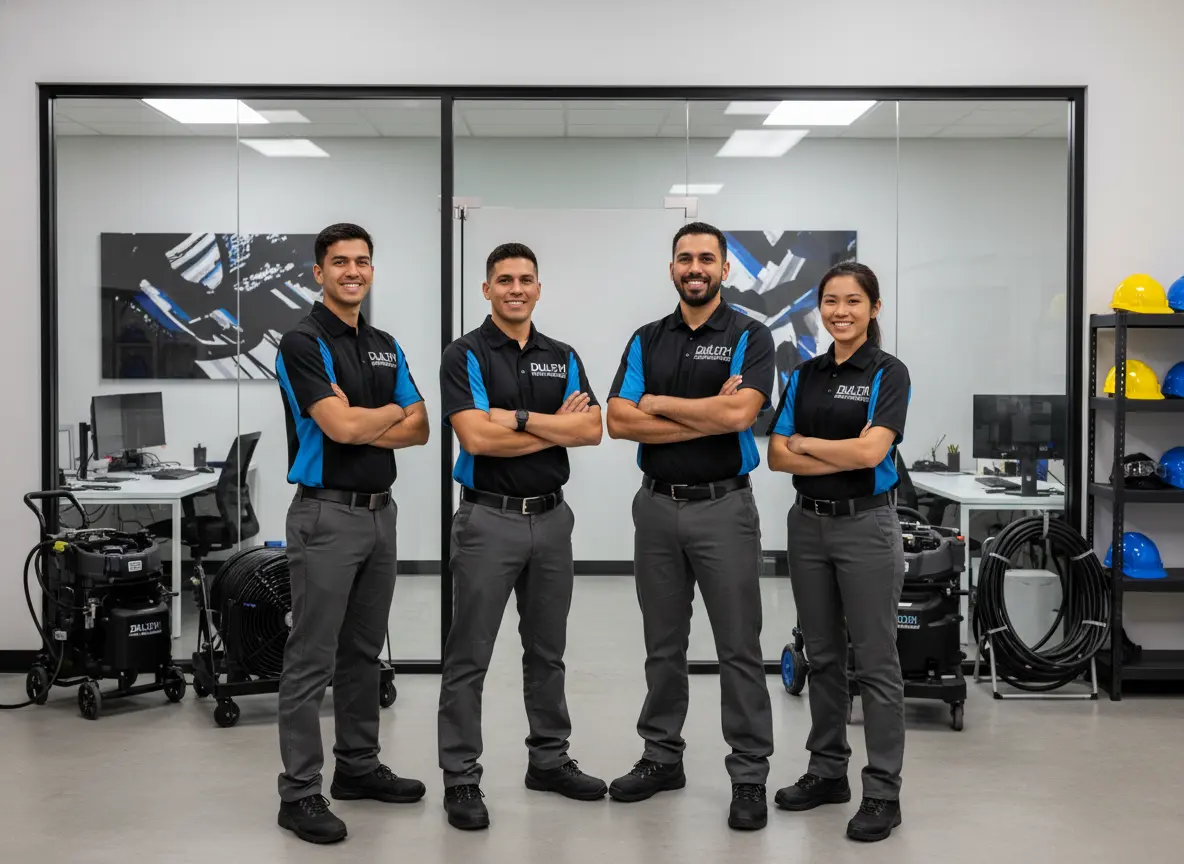
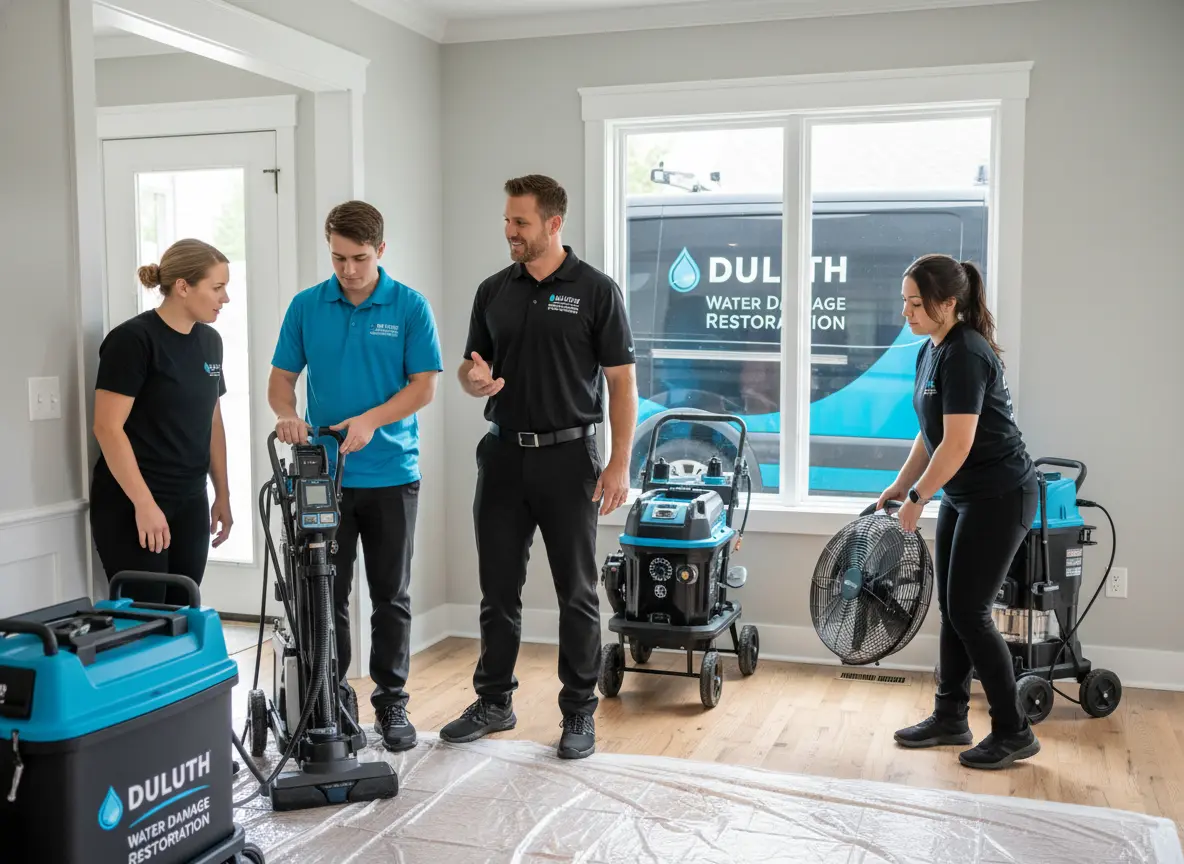
At Duluth Water Damage Restoration, we utilize IICRC-certified protocols and high-velocity structural drying to stabilize your property. We provide rapid-response solutions across Lawrenceville, ensuring your home or business is returned to its pre-loss condition with scientific precision. Dial (678) 679-5651 for an immediate 24/7 intervention.
Specialized Mitigation & Recovery Engineering
Restoring a property in Lawrenceville requires a technical mastery of **Vapor Pressure Management**. In Georgia’s humid environment, simple air movement is insufficient; you must actively lower the grain-per-pound (GPP) count in the air to draw deep-seated moisture out of structural timbers. Our team specializes in flood cleanup operations that utilize LGR dehumidification to protect your home from long-term rot.
High-Velocity Drying
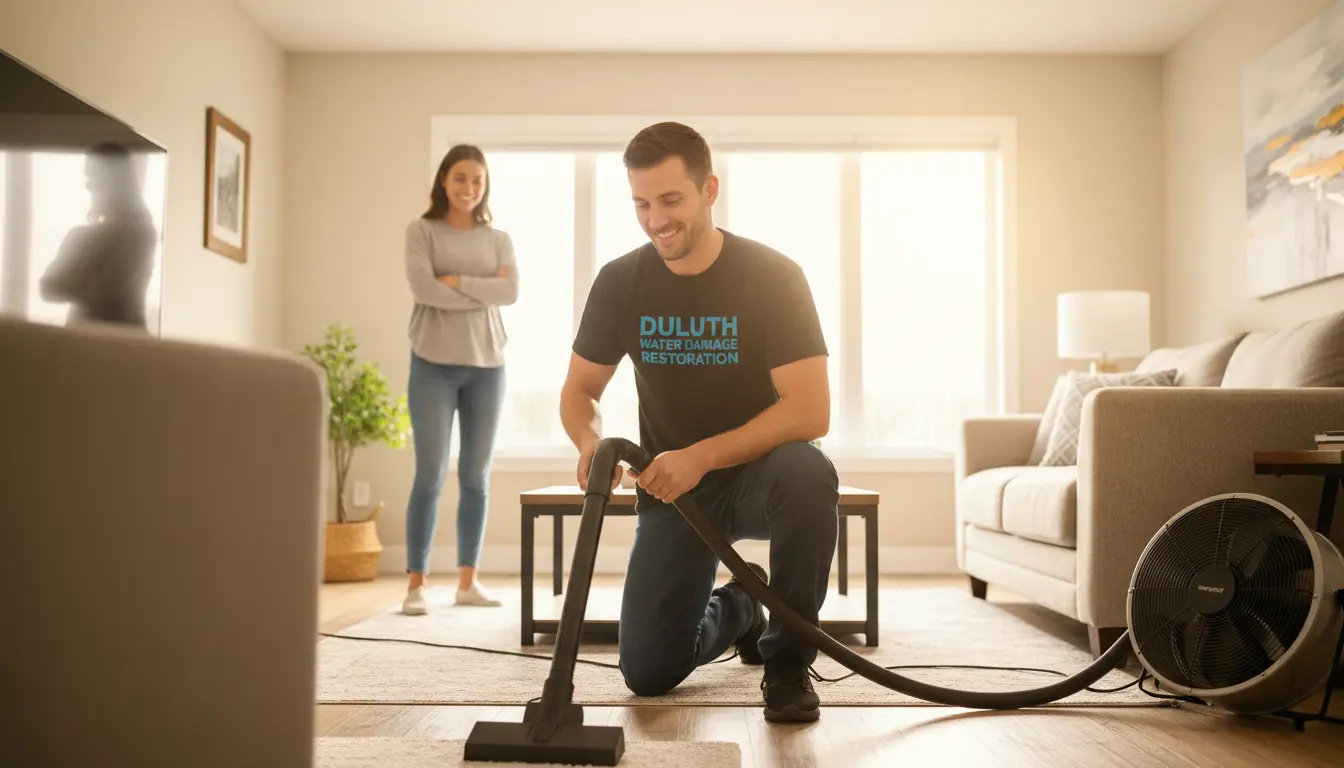
We deploy industrial-grade air movers to create cyclonic airflow across wet surfaces, accelerating evaporation before moisture can compromise the integrity of your subflooring.
Sanitization & Biohazard
When plumbing systems fail, we provide certified sewage backup restoration. This involves hospital-grade antimicrobial treatments to neutralize dangerous pathogens.
Thermal Mapping
Water hides in wall cavities where the eye cannot see. We use infrared thermal imaging to map moisture migration, ensuring no hidden dampness is left to fuel mold growth.
Immediate Response Protocol for Lawrenceville
In a water emergency, the first 48 hours are critical for the prevention of secondary damage. Before our certified crew arrives at your Lawrenceville property, taking these proactive measures can help stabilize the situation:
- Safety First: If standing water has reached any wall outlets, immediately cut the power at the main circuit breaker. Do not walk into water-filled rooms with active electricity.
- Starve the Source: Locate your main water shut-off valve—usually found near the water meter or in the garage—and turn it clockwise to stop the flow of water.
- Ventilate: In Lawrenceville, humidity is your enemy. Open windows to allow fresh air circulation, and if your HVAC system is safe to use, turn it to 68°F to help reduce indoor moisture.
- Elevate Furniture: Place aluminum foil or wood blocks under the legs of heavy furniture to prevent wood stains from permanently bleeding into your carpets.
The Local Advantage in Gwinnett County
We are not just a restoration service; we are members of your community. We understand the specific plumbing and structural challenges that Lawrenceville homes face—from the historic estates near the **Gwinnett Historic Courthouse** to the modern builds in our outlying suburbs.
While we handle the heavy-duty drying and restoration of your home, take a moment to de-stress. Visit the **Lawrenceville Square** or catch a show at the **Aurora Theatre**. We will manage the moisture meters, the insurance adjusters, and the final structural repairs so you can focus on your family.
Frequently Asked Questions
Will my insurance cover the restoration costs?
Most sudden and accidental water damage is covered by standard policies. We work directly with your insurer, using industry-standard documentation to ensure your claim is processed accurately and fairly.
How long does the drying process take?
A standard residential drying cycle in Lawrenceville typically takes 3 to 5 days. We perform daily moisture monitoring to ensure every structural element has reached its dry standard before removing our equipment.
Is it safe to stay in my home during restoration?
Safety depends on the category of water and the extent of the damage. In clean water situations, it is often safe. However, in sewage or significant flood events, we may recommend temporary evacuation until the area is fully sanitized.
Restore Your Peace of Mind
From localized leaks to major storm damage, trust the local experts to return your property to its pre-loss condition.
Call (678) 679-5651 For Immediate Response