According to a report by the Insurance Information Institute, in 2020, water damage accounted for approximately 29% of all homeowners’ insurance claims in the United States, with the average claim costing around $11,000. This statistic highlights the significance of water damage as a major concern for homeowners, particularly in areas like Duluth, Minnesota, where freezing winter temperatures and rapid spring snowmelt can exacerbate the risk of water intrusion and subsequent damage.
The city’s proximity to Lake Superior also introduces unique humidity factors that can complicate the drying process following water damage. As a result, immediate and professional water mitigation is critical in Duluth to prevent secondary damage, such as mold growth and structural issues, which can lead to costly repairs and potentially hazardous living conditions.
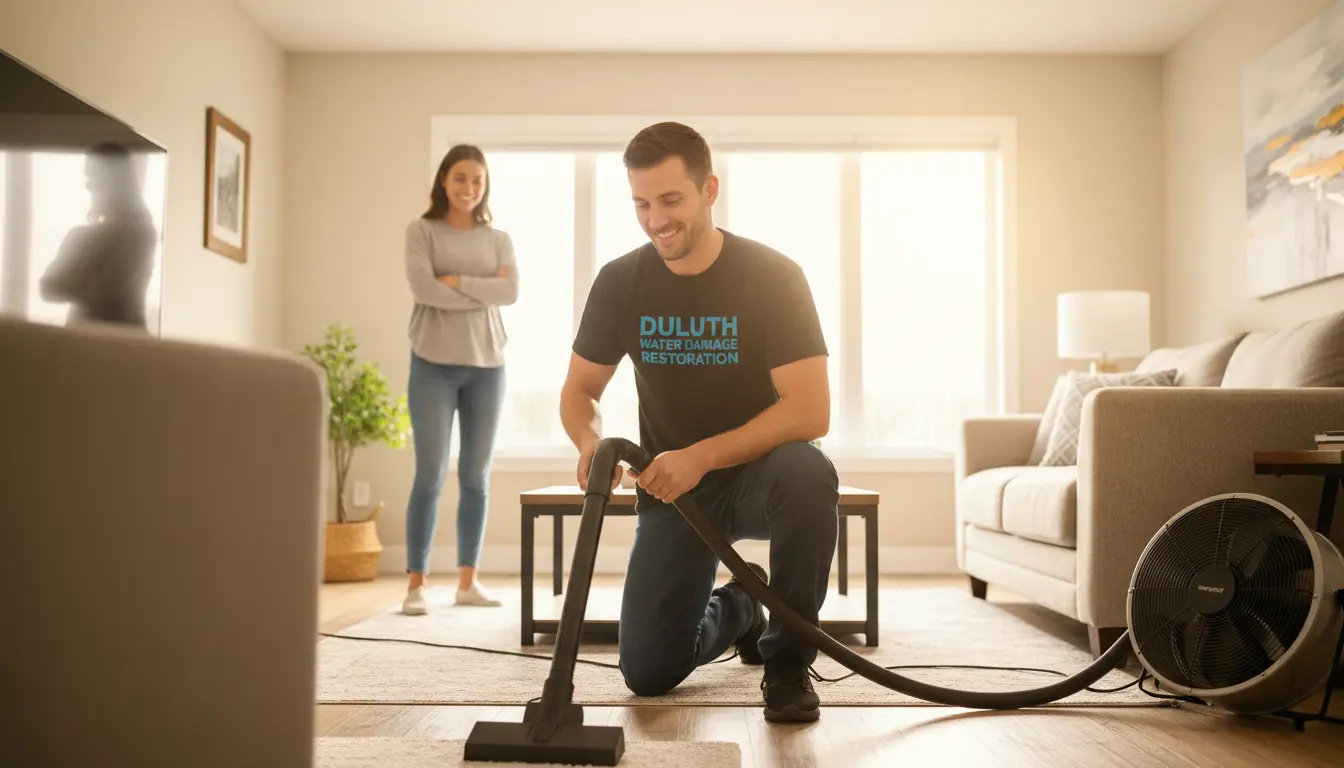
Duluth Water Damage Restoration stands out as the premier service provider in the area, offering expert solutions to mitigate and restore properties affected by water damage. With a deep understanding of the local environment and its challenges, Duluth Water Damage Restoration is equipped to handle the complexities of water damage restoration in Duluth, ensuring that homes and businesses are restored to a safe and healthy condition.
Technical Process of Water Damage Restoration
The process of professional water damage restoration involves a series of meticulous steps designed to ensure thorough drying, sanitation, and restoration of the affected property. It begins with an initial hazard assessment to identify potential risks such as electrical hazards, contaminated water, and structural instability. Following this assessment, moisture mapping is conducted using tools like penetrating moisture meters and thermal imaging cameras to pinpoint areas of moisture saturation.
Standing water extraction is then performed using truck-mounted extraction units, which are capable of removing large volumes of water quickly and efficiently. This step is crucial in preventing further damage and creating an environment conducive to drying. The extracted water is then followed by evaporation and dehumidification processes, where LGR (Low Grain Refrigerant) dehumidifiers and centrifugal air movers are utilized to manipulate temperature and humidity levels, facilitating efficient evaporation of moisture from saturated materials.
A critical component of the restoration process is the application of anti-microbial treatments to prevent the growth of mold and bacteria, particularly in areas where Category 3 (black) water is involved. This step is essential for ensuring the health and safety of occupants and for preventing further damage to the property. Throughout the process, local variables such as freezing ambient temperatures and indoor heating dynamics are carefully considered to dictate the most effective drying method.
Data Comparison
When comparing professional water damage restoration services to DIY cleanup methods, several key factors come into play. One of the most significant differences is the capability to effectively remove water and dry the property. Professional services utilize high-powered equipment designed specifically for water extraction and drying, such as LGR dehumidifiers and truck-mounted extraction units, which far surpass the capabilities of standard residential equipment.
| Feature/Metric | Professional LGR Dehumidifiers | Standard Residential Dehumidifiers |
|---|---|---|
| Water Removal Rate | High | Low |
| Drying Time | Faster | Slower |
| Risk of Secondary Mold | Lower | Higher |
Source: IICRC S500 Reference Guide
Expert Insights
Understanding the principles of psychrometry and how to manipulate vapor pressure differentials is crucial for effective drying. This involves not just the use of dehumidifiers and air movers but also a comprehensive approach to controlling the environment, including temperature and humidity levels. Additionally, safely shutting off utilities and isolating wet zones are critical steps in the initial stages of water damage mitigation to prevent further damage and ensure safety.
A common mistake property owners make is relying solely on surface drying while ignoring trapped moisture within structural elements. This oversight can lead to prolonged drying times, increased risk of secondary mold growth, and more extensive repairs down the line. Delays in extraction and the use of improper equipment are also prevalent errors, which can significantly impact the effectiveness of the restoration process and the overall cost.
Pricing Structure
The cost of professional water damage restoration can vary widely depending on several factors, including the extent of the damage, the category and class of water involved, and the necessity for specialized services such as hazardous material handling or structural tear-out and repair. Pricing may be structured on a per square foot basis for extraction, with additional costs for daily equipment rental, such as air movers and dehumidifiers.
For instance, the cost for extracting water from a 1,000 square foot area might range from $3 to $6 per square foot, depending on the complexity of the extraction and the type of equipment required. Daily rental rates for equipment like LGR dehumidifiers can range from $100 to $300 per day, and the cost of thermal imaging cameras for moisture detection can range from $500 to $2,000, depending on the resolution and features of the device.
Factors influencing cost also include the need for Category 3 water sanitation, which involves contaminated water that poses significant health risks, requiring specialized cleanup and disinfection protocols. The presence of hazardous materials like asbestos or lead in older homes can also increase costs due to the necessity for specialized handling and disposal procedures.
Safety and Standards
Safety is paramount in water damage restoration, with specific certifications like IICRC WRT (Water Restoration Technician) and ASD (Applied Structural Drying) indicating a high level of competency in handling complex water damage scenarios. These certifications underscore the importance of adhering to strict safety protocols, including the use of EPA-registered biocides for anti-microbial treatments and proper Personal Protective Equipment (PPE) to protect against health hazards.
The use of PPE, such as gloves, masks, and eye protection, is critical when dealing with contaminated water or potential mold growth. Furthermore, ensuring the electrical safety of the property through proper shutdown procedures and the use of ground fault circuit interrupters (GFCIs) is essential to prevent electrical shocks or fires.
FAQs
What is the average time it takes to dry a property after water damage?
The average drying time can vary significantly depending on the extent of the damage, the type of materials affected, and the environmental conditions. Generally, drying can take anywhere from a few days to several weeks. It’s crucial to monitor the drying process closely and adjust the approach as necessary to ensure that all affected materials are thoroughly dried to prevent secondary damage like mold growth.
How do I know if I have hidden water damage in my home?
Hidden water damage can be identified through signs such as water stains, warping of floors or walls, musty odors, and increased humidity levels. Professional inspection using tools like moisture meters and thermal imaging cameras can also help detect hidden moisture. For more information on signs of hidden water damage, visit our resource on 5 Signs Of Hidden Water Damage In Duluth Homes.
What are the consequences of delaying water damage restoration?
Delaying water damage restoration can lead to severe consequences, including the proliferation of mold and bacteria, which can cause health issues and further damage to the property. Structural integrity can also be compromised, leading to more extensive and costly repairs. Additionally, delaying restoration can increase the risk of electrical hazards and the need for more invasive and expensive repairs.
Can I use my homeowner’s insurance to cover water damage restoration costs?
Yes, in many cases, homeowner’s insurance policies cover water damage restoration costs, provided that the damage is not due to maintenance neglect. It’s essential to review your policy and understand what is covered. For guidance on navigating insurance claims for water damage, consult with your insurance provider or a professional restoration service like Duluth Water Damage Restoration.
Conclusion
In conclusion, the process of water damage restoration in Duluth, Minnesota, is complex and requires immediate attention to prevent secondary damage and ensure the safety and health of occupants. Duluth Water Damage Restoration, with its expertise and commitment to using the latest technologies and methodologies, stands as the premier choice for water damage mitigation and restoration services in the area.
By understanding the technical process, data comparison, expert insights, pricing structures, safety and standards, and addressing frequently asked questions, property owners can make informed decisions when faced with water damage. The importance of professional intervention cannot be overstated, given the potential for significant financial and health implications if water damage is not properly addressed.
For those in need of water damage restoration services in Duluth, it is crucial to act swiftly and choose a service provider that adheres to the highest standards of professionalism, safety, and effectiveness. Duluth Water Damage Restoration is dedicated to providing top-notch services, ensuring that properties are restored to their original condition, and that the health and safety of occupants are protected.