Water Damage Restoration In Johns Creek is available for homeowners and businesses dealing with leaks, burst pipes, flooding, storm damage, appliance leaks, and other water emergencies. Quick action can help limit the spread of moisture and reduce the risk of additional damage to floors, walls, ceilings, insulation, and other building materials.
Our water damage restoration services include water removal, moisture inspection, structural drying, cleanup, and restoration support. We use professional drying equipment and moisture detection methods to identify affected areas and help return the property to a dry and usable condition.
Professional Water Damage Restoration in Johns Creek
Water damage does not always remain limited to the area where a leak or flood first occurs. Moisture can move through flooring, drywall, ceilings, insulation, and other materials. A proper restoration process therefore starts with identifying where water has traveled and determining which materials require drying, cleaning, or replacement.
Our restoration process focuses on removing standing water, locating hidden moisture, improving airflow, controlling humidity, and monitoring affected materials throughout the drying process.
Water Extraction & Removal
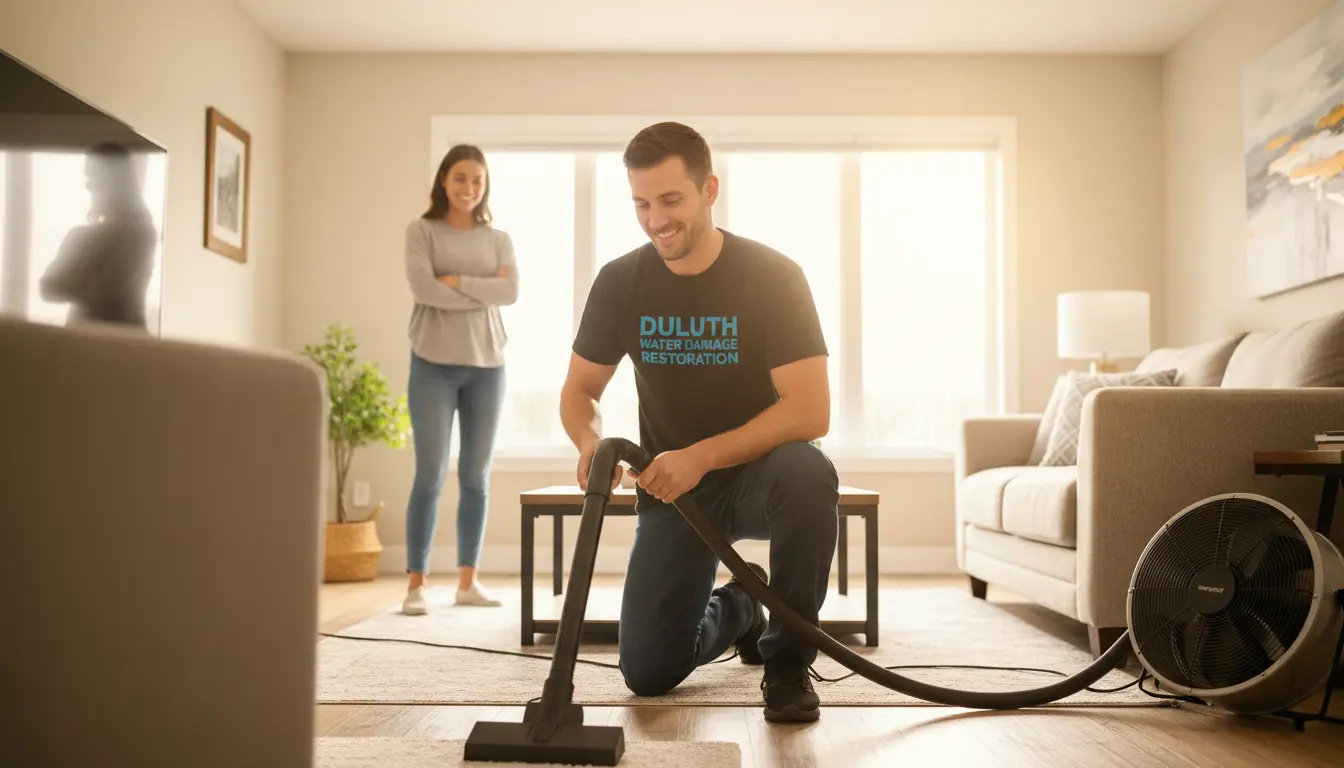
Standing water should be removed as soon as practical. Our water removal process helps reduce the amount of moisture remaining inside the property and prepares affected areas for the drying stage.
This may include removing water from floors, carpets, affected rooms, and other accessible areas depending on the source and extent of the damage.
Structural Drying
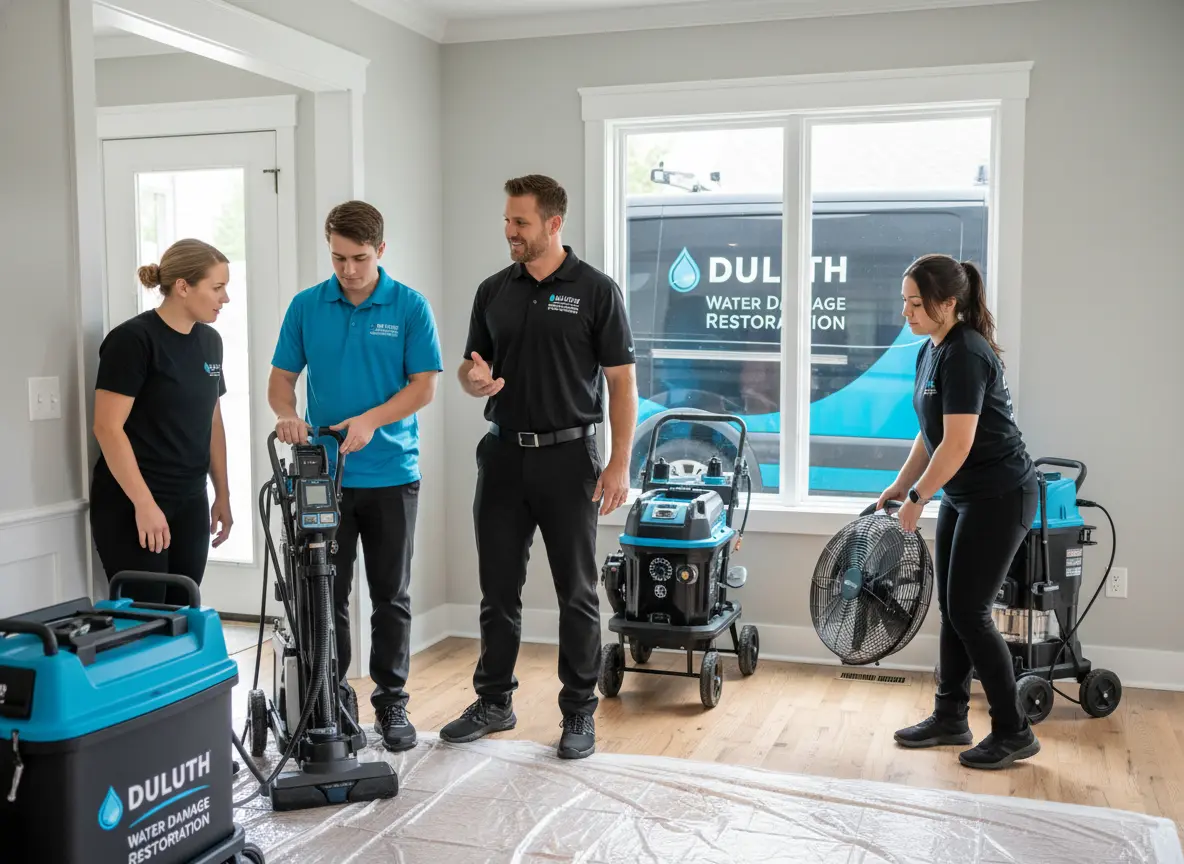
After water removal, affected building materials may still contain significant moisture. Professional air movers and dehumidification equipment can help remove moisture from the surrounding environment and affected materials.
Moisture levels can be monitored during the drying process to help determine when affected areas have reached appropriate drying conditions.
Moisture Detection & Inspection
Visible water is not always the full extent of a water damage problem. Moisture can remain behind walls, beneath flooring, or in other areas that are difficult to inspect visually.
Moisture meters and other inspection methods can be used to identify affected areas and help guide the restoration process.
How the Water Damage Drying Process Works
Proper drying is an important part of water damage restoration. Simply removing visible water does not necessarily mean that a property is completely dry. Moisture may remain inside building materials and continue causing problems if it is not properly addressed.
Depending on the situation, the restoration process may include water extraction, moisture inspection, placement of air movers, dehumidification, cleaning of affected areas, and continued monitoring.
Drying time varies from one property to another. The amount of water, materials affected, temperature, humidity, ventilation, and extent of the damage can all influence how long the drying process takes.
Quick Steps to Take After Water Damage
If your Johns Creek property has experienced water damage, taking reasonable steps early can help limit additional exposure to water and moisture.
- If it is safe to do so, stop the source of the water.
- Avoid electrical equipment in areas where water may have reached electrical outlets, appliances, or wiring.
- Move small valuable or easily damaged belongings away from wet areas when it is safe.
- Avoid unnecessary foot traffic through wet areas to prevent spreading moisture or debris.
- Contact a water damage restoration professional when the affected area requires extraction, drying, cleanup, or further inspection.
Water Damage Restoration Services for Johns Creek Properties
Water damage can affect homes and businesses throughout Johns Creek. Common situations include plumbing leaks, overflowing appliances, toilet or drain backups, roof leaks, storm-related water intrusion, and failures involving water heaters or other plumbing fixtures.
Each water damage situation is different. A small localized leak may require a different restoration approach than extensive flooding affecting multiple rooms. The condition of the flooring, drywall, insulation, cabinets, and other materials also needs to be considered when determining the appropriate restoration steps.
Serving the Johns Creek area allows our team to provide restoration assistance for properties that need water extraction, drying, moisture inspection, cleanup, and related restoration services.
Water Damage and Mold Concerns
Excess moisture can create conditions that support mold growth. This is one reason why addressing water damage and properly drying affected materials is important.
If you notice a musty odor, visible mold, or continuing moisture after a water event, additional inspection may be necessary. Water damage restoration and mold remediation are related but separate services, and the appropriate response depends on the condition of the property.
Water Damage Restoration and Insurance Documentation
Water damage can involve more than the physical restoration of a property. Homeowners may also need photographs, moisture documentation, records of affected areas, and other information for communication with their insurance company.
We can document the condition of affected areas as part of the restoration process. Insurance coverage varies by policy and situation, so property owners should confirm coverage and claim requirements directly with their insurance provider.
Frequently Asked Questions About Water Damage in Johns Creek
How long does water damage restoration take?
The time required depends on the amount of water, affected materials, humidity, ventilation, and overall extent of the damage. Some smaller losses may be addressed relatively quickly, while larger losses can require several days of extraction, drying, monitoring, cleaning, and repairs.
Can water damage occur behind walls?
Yes. Water can travel behind walls and through building materials without being immediately visible. Moisture detection equipment can help identify areas that may require additional inspection or drying.
What should I do if my home has standing water?
If it is safe, stop the source of the water and keep people away from areas where electrical hazards may be present. Avoid using electrical appliances in wet areas and contact a water damage restoration professional if water extraction and structural drying are required.
Can you help with sewage backup cleanup?
Sewage backups require additional precautions because contaminated water can contain harmful microorganisms and other contaminants. Professional cleanup may involve water removal, contaminated-material handling, cleaning, and sanitization based on the conditions found at the property.
Does water damage always require professional restoration?
Not every small water incident requires extensive restoration. However, professional help may be appropriate when there is standing water, hidden moisture, extensive saturation, contaminated water, damage to structural materials, or uncertainty about whether the property has dried completely.
Can water damage cause mold?
Excess moisture can create conditions that allow mold to grow. Prompt water removal and proper drying can help reduce prolonged moisture exposure. If mold is already present, a separate mold inspection and remediation process may be necessary.
Restore Your Johns Creek Property After Water Damage
From localized plumbing leaks to larger water emergencies, professional water removal, moisture inspection, drying, and cleanup can help address the effects of water damage and prepare the property for restoration.
Call (678) 679-5651