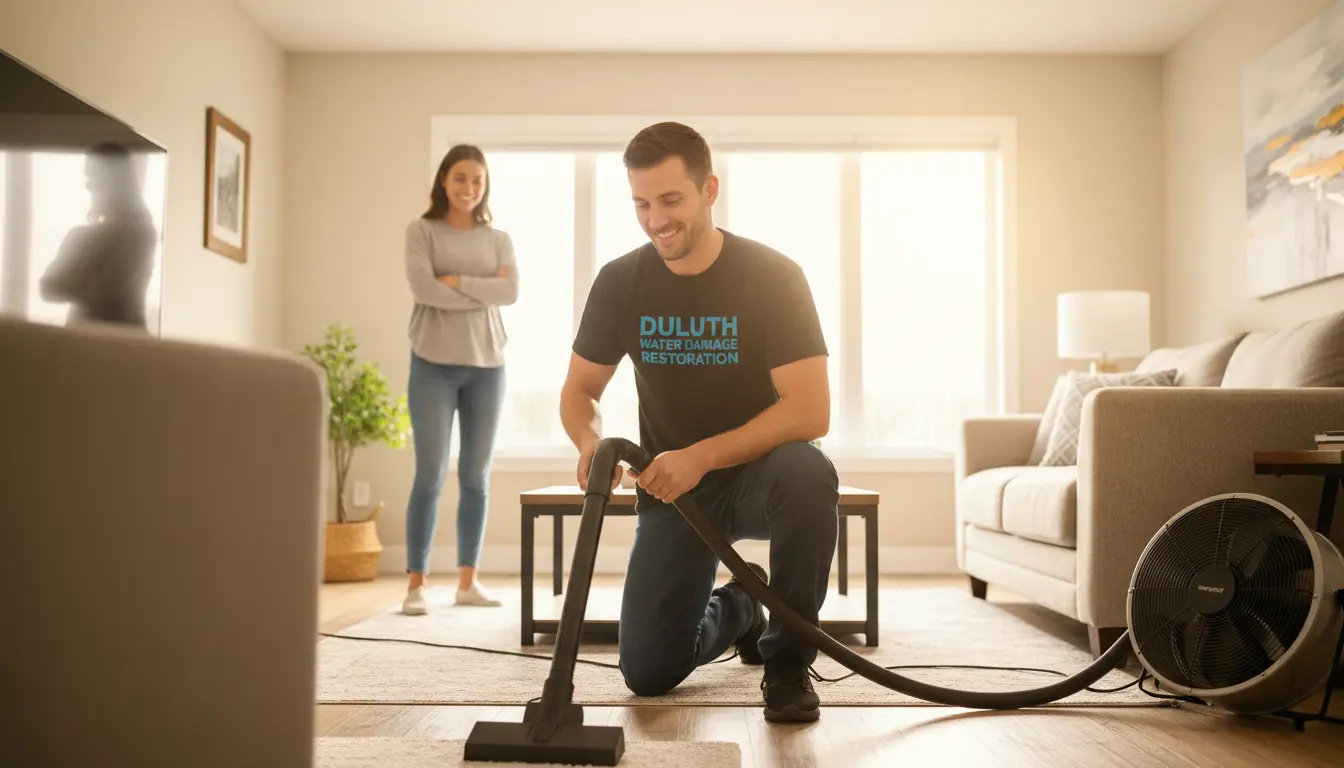
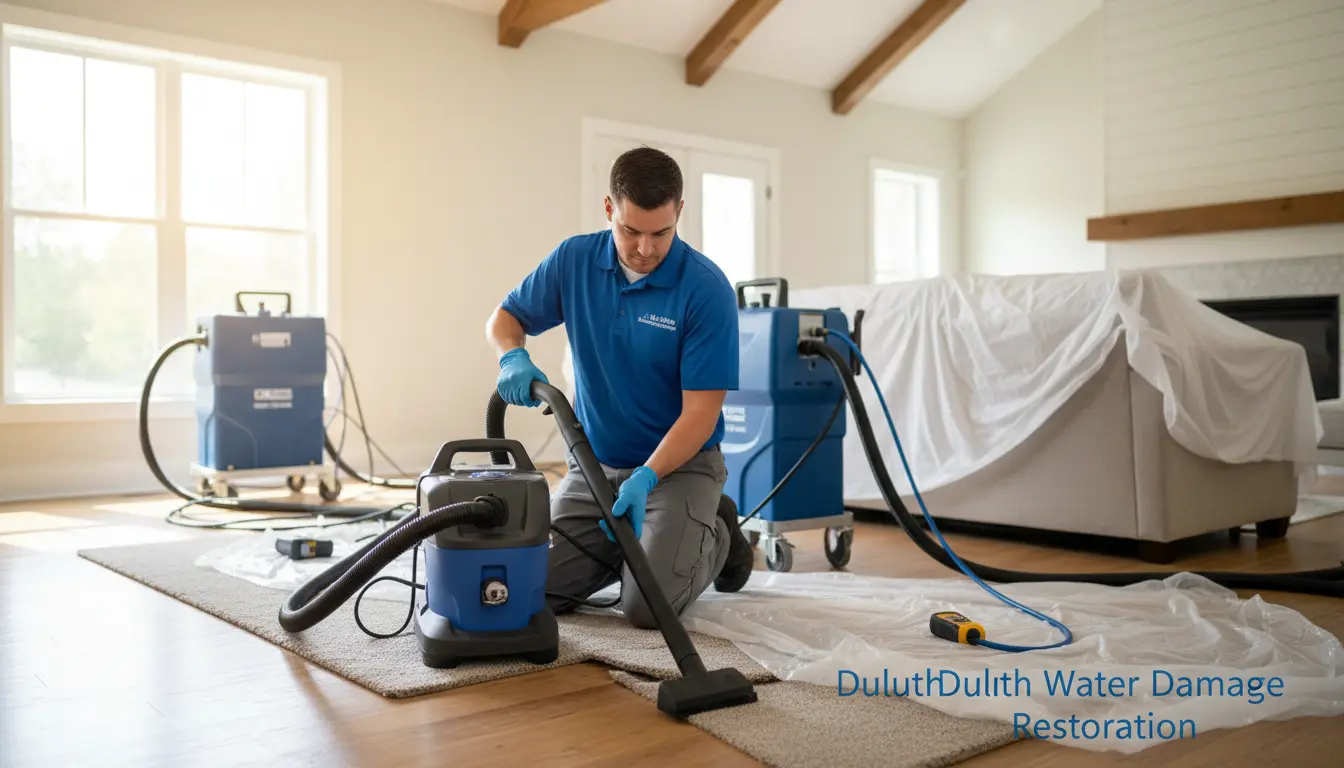
Living in Duluth, GA, with its humid subtropical climate, means you’re no stranger to unexpected rainstorms and potential flooding. Whether it’s a burst pipe in your cozy Gwinnett County home or heavy downpours overwhelming local drainage systems near the Chattahoochee River, water damage can strike without warning. At Duluth Water Damage Restoration, we’ve helped countless residents and businesses recover swiftly and effectively. This ultimate guide will walk you through everything you need to know about water restoration—from immediate response to long-term prevention—so you can protect your property and peace of mind.
Understanding Water Damage in Duluth
Water damage isn’t just about wet carpets; it can lead to structural issues, mold growth, and health hazards if not addressed promptly. In Duluth, where summer thunderstorms are common, properties near areas like Parsons Road or the Duluth Town Green are particularly vulnerable.
Types of Water Damage
Water damage is categorized into three main types based on the source:
- Clean Water: From sources like a leaky faucet or broken appliance. This is the least severe but still requires quick action.
- Gray Water: Involves slightly contaminated water, such as from washing machines or dishwashers. Common in Duluth households during power outages.
- Black Water: The most dangerous, from sewage backups or flooding. In our area, heavy rains can cause sewage backup restoration needs, posing serious risks.
Understanding these categories helps you assess the urgency. For instance, black water exposure can lead to bacterial infections, making professional intervention essential.
The Water Restoration Process: Step by Step
At Duluth Water Damage Restoration, we follow a structured process to ensure thorough recovery. Here’s what to expect:
Step 1: Emergency Assessment and Water Extraction
The first 24-48 hours are critical—the "golden hour" for minimizing damage. Our team arrives equipped with powerful pumps and extractors to remove standing water. In Duluth’s clay-heavy soils, water can pool quickly, so rapid extraction prevents further seepage into foundations.
Practical Tip: If you discover water damage, shut off the main water supply and electricity to avoid hazards. Avoid walking through affected areas to prevent spreading contaminants.
Step 2: Drying and Dehumidification
Once water is extracted, drying begins. We use industrial-grade dehumidification equipment and air movers to evaporate moisture from walls, floors, and furniture. In Duluth’s humid environment, this step can take 3-5 days, depending on the extent.
Actionable Advice: Monitor humidity levels with a simple hygrometer. Ideal indoor humidity is 30-50%; anything higher invites mold.
Step 3: Cleaning and Sanitizing
Surfaces must be cleaned to remove debris and disinfect against bacteria. For severe cases, like those from river overflows near Duluth, we apply EPA-approved antimicrobial treatments.
Step 4: Restoration and Reconstruction
Finally, we repair or replace damaged materials—think drywall, flooring, and insulation. If your roof was the culprit, consider our roof leak sealing services to prevent future issues.
Local Insight: Duluth’s historic homes in the downtown district often have older structures that require specialized restoration to maintain architectural integrity.
Practical Tips for Water Damage Prevention in Duluth
Prevention is better than cure, especially in a flood-prone area like Duluth. Here are actionable strategies:
Regular Maintenance Checks
Inspect your home biannually, focusing on gutters, downspouts, and sump pumps. Duluth’s frequent rains mean clogged gutters can lead to interior flooding.
Tip: Clean gutters before the rainy season (April-May). Install gutter guards for long-term ease.
Landscaping and Drainage Solutions
Grade your yard to direct water away from your foundation. In neighborhoods like Duluth Estates, French drains can be a game-changer.
Appliance and Plumbing Vigilance
Watch for signs of leaks in water heaters and pipes. If you’re in nearby Norcross, where older plumbing is common, schedule annual inspections.
Pro Advice: Install water leak detectors in basements and utility rooms—they alert you via app before damage spreads.
For businesses along Buford Highway, ensure flood cleanup operations plans include elevating critical equipment.
Common Causes of Water Damage in Duluth, GA
Duluth’s location in the Piedmont region exposes properties to unique risks:
Weather-Related Flooding
Hurricanes and tropical storms, remnants of Atlantic systems, often drench Gwinnett County. The 2019 floods highlighted vulnerabilities around the Yellow River.
Plumbing Failures
Aging infrastructure in established communities like Lilburn can lead to bursts, especially during winter freezes.
Appliance Malfunctions
Washing machines and dishwashers account for 10% of claims. Regular maintenance mitigates this.
Local Reference: During Duluth’s annual Fall Festival, increased gatherings can strain plumbing—stay proactive.
Health and Safety Considerations
Water damage isn’t just structural; it affects health. Mold thrives in Duluth’s warmth, potentially causing respiratory issues. Vulnerable groups like children and the elderly need extra caution.
Safety Tip: Wear protective gear during cleanup and ventilate areas. After restoration, opt for post-restoration cleaning to ensure air quality.
If damage affects neighboring areas like Sugar Hill, coordinate with local authorities for safe recovery.
FAQ: Water Restoration in Duluth
1. How quickly should I call for water restoration services?
Immediately—within the first hour if possible. Delays can turn minor issues into major mold problems, especially in Duluth’s climate.
2. Does homeowners insurance cover water damage?
Most policies cover sudden accidents like burst pipes but not neglect or floods. Contact your provider and Duluth Water Damage Restoration for a free assessment to file claims smoothly.
3. Can I handle minor water damage myself?
For small, clean water incidents, yes—use fans and towels. But for anything involving gray or black water, call professionals to avoid health risks.
4. How long does the restoration process take?
Typically 3-7 days, depending on damage severity. Our team in Duluth prioritizes speed without compromising quality.
5. What if water damage recurs in my Duluth home?
Recurring issues may indicate underlying problems like poor drainage. Schedule a consultation with us for preventive solutions.
Conclusion: Protect Your Duluth Home Today
Water restoration in Duluth, GA, demands expertise, speed, and local knowledge. From the initial flood to final touches, Duluth Water Damage Restoration is your trusted partner, serving not just Duluth but surrounding areas like Dacula. Don’t let water damage disrupt your life—act fast to safeguard your investment.
Ready to secure your property? Contact Duluth Water Damage Restoration for a free inspection and personalized restoration plan. Call us at (770) 123-4567 or visit our Duluth service page to get started today!