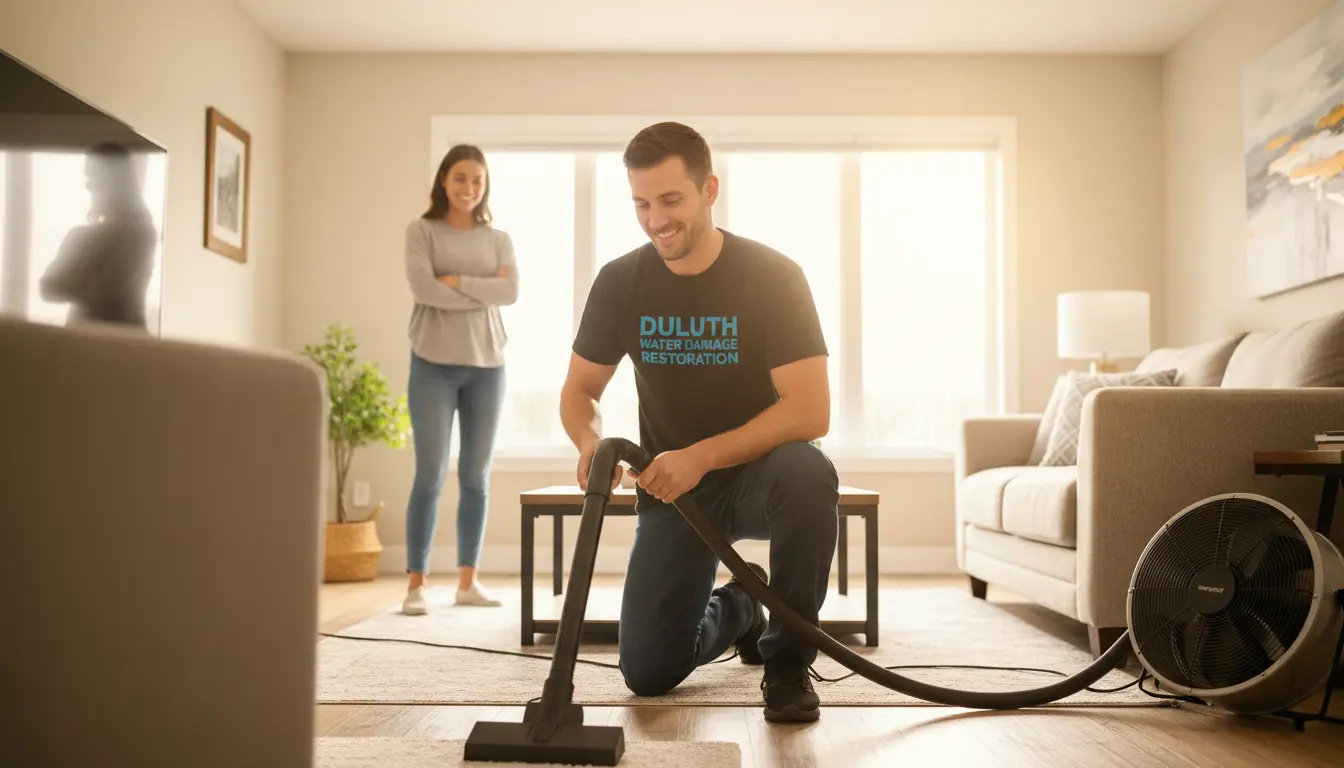
It’s a bitterly cold winter morning in Duluth, Minnesota, and the temperature has plummeted to -20°F. The frozen landscape is beautiful, but for homeowners, it can be a nightmare. Frozen pipes are a major concern, and when they burst, the resulting water damage can be catastrophic. Just ask the Smiths, who woke up to find their basement flooded after a pipe froze and burst overnight. As a certified senior water damage restoration expert, I’ve seen firsthand the devastation that frozen pipes can cause, and why immediate professional mitigation is crucial in preventing further damage.
The city’s location near Lake Superior means that the humidity levels can be quite high, even in the winter. This, combined with the rapid freeze-thaw cycles, makes it an ideal breeding ground for mold and mildew. In fact, according to the Top 7 Causes Of Water Damage For Duluth Residents, frozen pipes are one of the leading causes of water damage in the area. As the premier water damage restoration service provider in Duluth, we’ve helped countless homeowners like the Smiths recover from the aftermath of a burst pipe.
But why do frozen pipes cause such major water damage during Duluth winters? The answer lies in the science of psychrometry and the unique conditions of the Duluth climate. When water freezes, it expands, causing the pipe to burst. And when the pipe bursts, the water flows freely, causing damage to the surrounding structure. If not addressed promptly, this can lead to secondary water damage, including mold growth, warping of wood, and even structural collapse. That’s why it’s essential to have a professional water damage restoration team on speed dial, one that can respond quickly and effectively to minimize the damage.
Technical Process
Our team follows a strict protocol when it comes to water damage restoration. The first step is to conduct an initial hazard assessment, which includes identifying the source of the leak, assessing the extent of the damage, and determining the category and class of the water. We use specialized equipment such as penetrating moisture meters and thermal imaging cameras to detect hidden moisture and map out the affected areas. Next, we extract the standing water using truck-mounted extraction units, and then employ evaporation and dehumidification techniques to dry out the structure.
We also apply anti-microbial agents to prevent the growth of mold and mildew. Our team is trained in the latest techniques and technologies, including LGR dehumidification and centrifugal air movers, to ensure that the drying process is done efficiently and effectively. And, as outlined in our Emergency Water Damage Repair Duluth Home Tips, it’s crucial to address the situation quickly to prevent further damage.
Data Comparison Table
When it comes to water damage restoration, it’s essential to use the right equipment. Professional LGR dehumidifiers, for example, are much more effective than standard residential dehumidifiers. Here’s a comparison of the two:
| Feature/Metric | Professional LGR Dehumidifiers | Standard Residential Dehumidifiers |
|---|---|---|
| Water Removal Rate | Up to 20 gallons per day | Up to 1 gallon per day |
| Drying Time | Significantly faster | Slower |
| Risk of Secondary Mold | Lower | Higher |
Source: IICRC S500 Reference Guide
Expert Insights
As a certified senior water damage restoration expert, I’ve learned a thing or two about what works and what doesn’t. Here are three advanced professional tips to keep in mind: first, understand the concept of vapor pressure differentials and how they affect the drying process; second, know how to safely shut off utilities to prevent further damage; and third, isolate wet zones to prevent the spread of moisture. Additionally, be aware of common mistakes that property owners make, such as relying on surface drying while ignoring trapped moisture, delaying extraction, or using improper equipment.
For example, if you’re dealing with a flooded basement, it’s essential to address the situation quickly to prevent further damage. As outlined in our How To Prevent Basement Flooding In Georgia Homes guide, taking proactive steps can help minimize the risk of water damage. And, if you do experience water damage, don’t hesitate to reach out to a professional water damage restoration team like ours, which serves the Duluth area.
Pricing
The cost of water damage restoration can vary depending on several factors, including the extent of the damage, the category and class of the water, and the type of equipment and services required. Here are some realistic pricing structures to keep in mind:
- Per square foot of extraction: $3-$6
- Daily equipment rental rates (air movers, dehumidifiers): $100-$500
- Costs based on the Class and Category of water damage: $500-$5,000+
It’s also essential to consider factors that influence cost, such as Category 3 black water sanitation, hazardous material handling, and structural tear-out requirements.
Safety & Standards
At Duluth Water Damage Restoration, we take safety and standards very seriously. Our team is certified in the latest techniques and technologies, and we follow strict protocols to ensure that our work is done safely and effectively. We use EPA-registered biocides and proper PPE (Personal Protective Equipment) to protect ourselves and our clients from potential hazards. And, as outlined in our About Us section, we’re committed to providing the highest level of service and expertise to our clients.
FAQ Section
What is the first step in the water damage restoration process?
The first step is to conduct an initial hazard assessment, which includes identifying the source of the leak, assessing the extent of the damage, and determining the category and class of the water. This helps us to determine the best course of action and ensure that the work is done safely and effectively.
How long does the drying process take?
The drying process can take anywhere from a few days to several weeks, depending on the extent of the damage and the type of equipment and services required. Our team uses specialized equipment and techniques to ensure that the drying process is done efficiently and effectively.
What is the difference between Category 1, 2, and 3 water?
Category 1 water is clean water, such as from a broken pipe or appliance. Category 2 water is gray water, such as from a sink or toilet. Category 3 water is black water, such as from a sewage backup or flood. Each category requires a different level of treatment and sanitation to ensure that the water is safe and clean.
Can I use a wet/dry vacuum to extract water from my flooded basement?
While a wet/dry vacuum can be useful for extracting small amounts of water, it’s not recommended for larger-scale water damage. Professional extraction equipment, such as truck-mounted extraction units, is much more effective and efficient. Additionally, using a wet/dry vacuum can actually push water further into the structure, causing more damage. As outlined in our Water Extraction Services section, it’s essential to use the right equipment to ensure that the job is done correctly.
Professional Water Damage Restoration in Duluth
In conclusion, frozen pipes can cause major water damage during Duluth winters, and it’s essential to have a professional water damage restoration team on speed dial. At Duluth Water Damage Restoration, we’re committed to providing the highest level of service and expertise to our clients. We’ve helped countless homeowners recover from the aftermath of a burst pipe, and we’re dedicated to ensuring that our community is safe and dry. If you’re experiencing water damage, don’t hesitate to reach out to us. We’re here to help, and we’ll work tirelessly to ensure that your property is restored to its original condition. For more information, visit our Contact Us page or check out our Knowledge Hub for more tips and resources on water damage restoration.