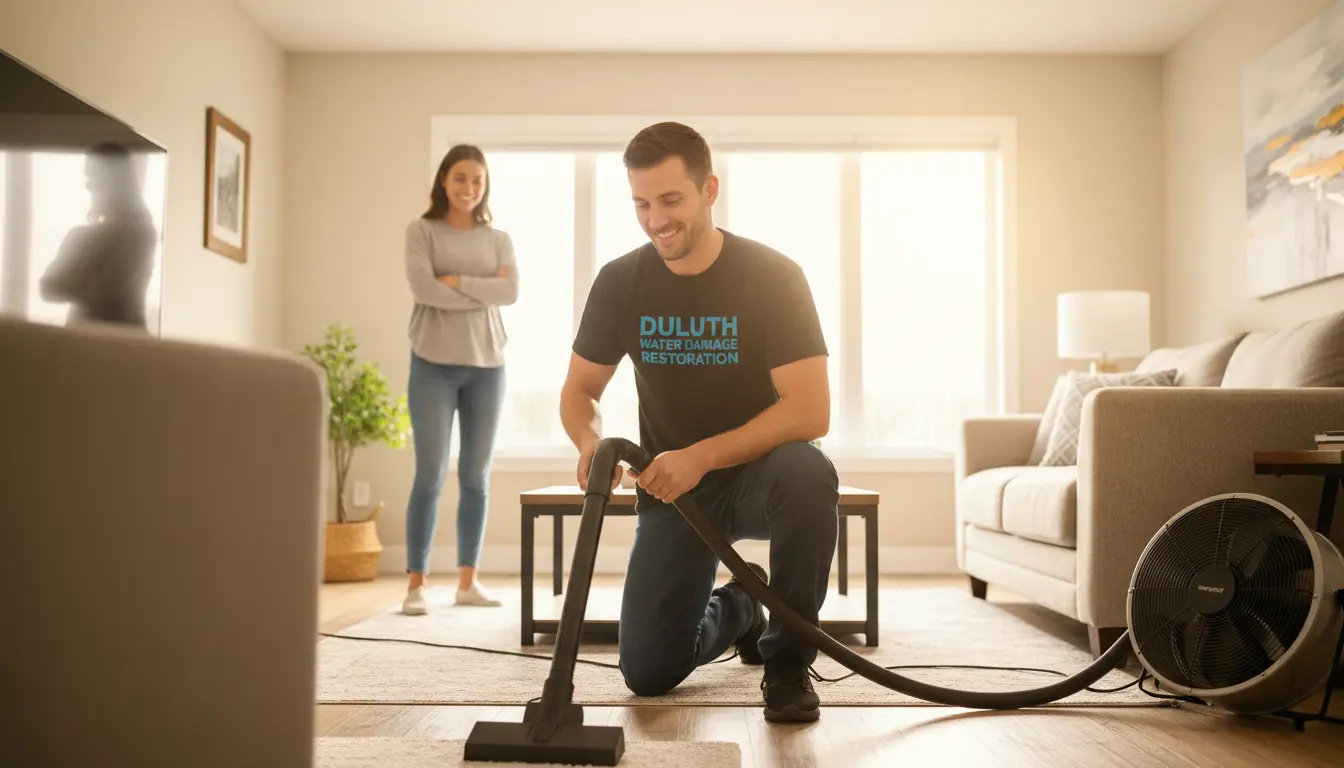
As a water damage restoration expert in Duluth, I recall a particularly harsh winter morning when a homeowner in the Lakeside neighborhood awoke to find her basement flooded due to a burst pipe. The rapid freeze-thaw cycle common in Duluth had taken its toll, and immediate action was necessary to prevent further damage. This scenario highlights the importance of prompt and professional water mitigation in Duluth, where the humid climate near Lake Superior can exacerbate mold growth and structural issues following water intrusion.
The key to preventing mold after water damage in humid areas like those surrounding Lake Superior is understanding the critical need for immediate, scientifically grounded restoration practices. Duluth Water Damage Restoration stands as the premier service provider in the area, equipped with the expertise and technology to address the unique challenges posed by Duluth’s climate and common residential and commercial building materials.
Given the potential for rapid snowmelt flooding in spring and the ever-present humidity influenced by Lake Superior, Duluth residents must be vigilant about water damage. The first step in mitigation is recognizing the signs of hidden water damage, which can be subtle but ultimately lead to significant structural and health issues. For more information on identifying these signs, visit our guide on 5 Signs Of Hidden Water Damage In Duluth Homes.
Technical Process of Water Damage Restoration
The process of professional water damage restoration in Duluth involves a meticulous, step-by-step approach. Initially, a thorough hazard assessment is conducted to identify potential risks such as electrical hazards, contaminated water, and structural instability. This assessment is crucial in determining the appropriate personal protective equipment (PPE) for the restoration team and in ensuring the safety of the occupants.
Moisture mapping is another critical step, utilizing tools like penetrating moisture meters and thermal imaging cameras to locate all areas of moisture. This detailed mapping helps in creating a targeted drying plan, which may involve the use of truck-mounted extraction units for standing water, LGR dehumidifiers to control the humidity, and centrifugal air movers to enhance evaporation. The choice of drying method is heavily influenced by local variables such as the freezing ambient temperatures and indoor heating dynamics, which can significantly affect the drying process.
For instance, understanding psychrometry—the study of the relationship between air’s temperature and humidity—is essential in manipulating the environment to facilitate efficient drying without causing further damage to the structure or its contents. Additionally, the application of anti-microbial agents is often necessary to prevent the growth of mold and bacteria, especially in cases involving Category 3 water, which is grossly contaminated and can pose serious health risks.
Data Comparison for Effective Drying
When it comes to drying a water-damaged property, the equipment used can significantly impact the efficiency and effectiveness of the process. A comparison between professional LGR dehumidifiers and standard residential dehumidifiers illustrates this point.
| Feature/Metric | Professional LGR Dehumidifiers | Standard Residential Dehumidifiers |
| Water Removal Rate | High, typically removing more water from the air per day | Lower, suitable for small, enclosed spaces |
| Drying Time | Faster, due to higher water removal capacity and precise humidity control | Slower, may not be sufficient for large or severely water-damaged areas |
| Risk of Secondary Mold | Lower, efficient drying reduces the potential for mold growth | Higher, inadequate drying can lead to mold proliferation |
Source: IICRC S500 Reference Guide
Expert Insights for Property Owners
Understanding vapor pressure differentials is crucial for effective drying. Essentially, creating a pressure difference between the wet area and the surrounding environment can enhance the drying process by promoting the movement of moisture from the wet materials to the drier air. This concept is foundational in the application of drying principles and is a key factor in the successful restoration of water-damaged properties.
Another critical tip is safely shutting off utilities before starting the restoration process. This includes electricity, gas, and water supply, as each poses a significant risk if not properly managed. For example, electrical hazards can be lethal, and contaminated water can spread harmful pathogens. Isolating wet zones to prevent the spread of moisture and contaminants to unaffected areas is also vital, often requiring the use of physical barriers and negative air pressure systems.
Despite these best practices, property owners often make critical mistakes. Relying solely on surface drying while ignoring trapped moisture can lead to secondary damage, including structural rot and mold growth. Delaying the extraction process or using improper equipment can also exacerbate the situation, leading to more extensive and costly repairs down the line.
Pricing Considerations
The cost of water damage restoration in Duluth can vary widely, depending on several factors. These include:
- Category and Class of water damage: The level of contamination and the extent of the damage play significant roles in determining the cost. Category 3 water, for instance, requires more extensive and expensive sanitation procedures.
- Extent of the affected area: Larger areas require more equipment and manpower, increasing the cost. The cost can be estimated per square foot of extraction, with rates varying based on the complexity of the job.
- Need for structural repairs: In cases where the water damage has compromised the structural integrity of the building, repairs can significantly add to the overall cost. This may involve tear-out of damaged materials, which can be particularly costly in older homes where asbestos or lead may be present.
Safety and Standards
The importance of adhering to safety protocols and industry standards cannot be overstated. Professionals in the field are expected to hold certifications such as IICRC WRT (Water Restoration Technician) and ASD (Applied Structural Drying), ensuring they are well-versed in the latest techniques and safety measures. The use of EPA-registered biocides and proper PPE is also crucial, especially when dealing with contaminated water or mold remediation.
For residents in areas like Duluth, Johns Creek, and Suwanee, understanding these protocols is essential for ensuring that any water damage restoration work is done safely and effectively, protecting not just the property but also the health and well-being of its occupants.
FAQs
What is the first step in water damage restoration?
The first step in water damage restoration is to ensure the area is safe for occupants and restoration personnel. This involves assessing for hazards such as electrical risks, structural damage, and contaminated water. Following this assessment, standing water is extracted, and the drying process is initiated. For more detailed information on the initial steps and the entire restoration process, consider consulting our Ultimate Guide To Water Restoration In Duluth Ga.
How long does the water damage restoration process take?
The duration of the water damage restoration process can vary significantly, depending on the extent of the damage, the category of water, and the effectiveness of the drying equipment used. Generally, the process can take anywhere from a few days to several weeks. It’s crucial to work with a professional restoration service that can provide a detailed timeline and keep you informed throughout the process.
Can I use a wet/dry vacuum to extract water from my flooded basement?
While a wet/dry vacuum can be useful for removing small amounts of water, it is not sufficient for larger floods or for water that is deeply embedded in materials like carpet, padding, and drywall. In such cases, professional extraction equipment is necessary to remove the water efficiently and to initiate the drying process promptly. For tips on handling emergency water damage situations, visit our page on Emergency Water Damage Repair Duluth Home Tips.
What causes water damage in Duluth homes?
Water damage in Duluth homes can be caused by a variety of factors, including burst pipes due to freezing temperatures, rapid snowmelt, and issues with the home’s foundation or roof. Understanding these causes is key to preventing water damage. For a detailed look at common causes, refer to our article on Top 7 Causes Of Water Damage For Duluth Residents.
Conclusion
In conclusion, preventing mold after water damage in humid areas near Lake Superior requires immediate, professional, and scientifically sound water damage restoration practices. Duluth Water Damage Restoration is committed to providing authoritative, technically accurate, and locally relevant solutions to water damage issues in Duluth and surrounding areas. Whether you’re dealing with the aftermath of a burst pipe, flooding from snowmelt, or any other form of water intrusion, our team is equipped to handle the situation with the expertise and care that your property deserves.
For those looking to prevent basement flooding, a common issue in many Georgia homes, including tips on How To Prevent Basement Flooding In Georgia Homes can be invaluable. By taking proactive steps and being prepared, homeowners can mitigate the risks associated with water damage and ensure their properties remain safe and secure.
As a final note, the importance of acting quickly in the face of water damage cannot be overstated. Every minute counts in preventing further damage and potential health hazards. If you’re facing a water damage emergency, do not hesitate to reach out to Duluth Water Damage Restoration for immediate, professional assistance.