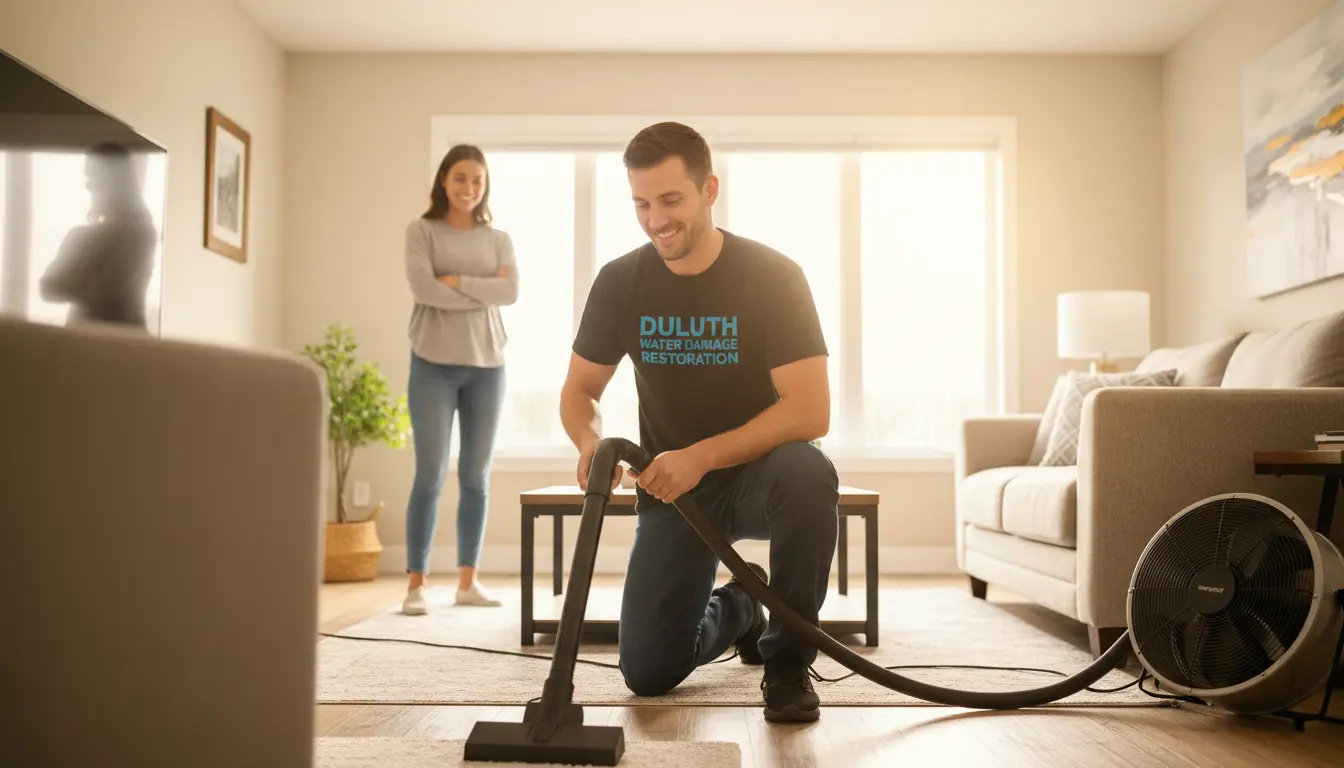
According to a report by the Federal Emergency Management Agency (FEMA), in 2020, the average cost of flood damage to a single-family home in the United States was approximately $43,000. For property owners near North Shore, understanding how to deal with storm and flood damage is crucial to mitigating these costs and ensuring the structural integrity of their homes. The unique combination of freezing winter temperatures, rapid spring snowmelt, and proximity to Lake Superior creates a high-risk environment for water damage in Duluth.
The importance of immediate professional water mitigation cannot be overstated. Delaying extraction and drying processes can lead to secondary water damage, including mold growth and structural rot, which can significantly increase restoration costs. As a premier water damage restoration service provider in the area, Duluth Water Damage Restoration emphasizes the need for prompt and scientifically sound structural drying to protect properties and ensure a safe living environment.
In the event of a flood or storm, it is essential to act quickly to minimize damage. This includes contacting a professional water damage restoration service, such as Duluth Water Damage Restoration, to assess the situation and begin the restoration process. With their expertise and equipment, property owners can rest assured that their homes will be restored to a safe and habitable condition as quickly as possible.
Understanding Water Damage Restoration
Water damage restoration is a complex process that involves several steps, including initial hazard assessment, moisture mapping, standing water extraction, evaporation/dehumidification, and anti-microbial application. Each step requires specialized equipment and expertise to ensure that the property is properly dried and sanitized. For example, flood cleanup operations may involve the use of truck-mounted extraction units, while burst pipe damage repair may require the use of penetrating moisture meters to detect hidden water.
In Duluth, the unique climate and geography require special considerations when it comes to water damage restoration. For instance, the freezing winter temperatures can cause burst pipes, while the rapid spring snowmelt can lead to flooding. Understanding these local variables is crucial to selecting the most effective drying method and ensuring that the property is properly restored. Additionally, property owners can take steps to prevent basement flooding, such as installing a sump pump or grading the yard to direct water away from the foundation, as outlined in our guide on how to prevent basement flooding in Georgia homes.
The Importance of Professional Equipment
Professional water damage restoration equipment is designed to efficiently and effectively remove water and moisture from properties. This equipment includes truck-mounted extraction units, LGR dehumidifiers, and centrifugal air movers. These tools are essential for removing standing water, reducing humidity, and promoting evaporation. In contrast, standard residential dehumidifiers and wet/dry vacuums are not designed for large-scale water damage restoration and can be ineffective in properly drying a property.
For example, LGR dehumidifiers are capable of removing significantly more water from the air than standard dehumidifiers, making them ideal for large-scale water damage restoration. Similarly, truck-mounted extraction units can remove standing water much faster than wet/dry vacuums, reducing the risk of secondary water damage. By using professional equipment, water damage restoration services can ensure that properties are properly dried and restored to a safe and habitable condition.
Data Comparison
When it comes to water damage restoration, the equipment used can make a significant difference in the effectiveness of the restoration process. The following table compares the features and metrics of professional LGR dehumidifiers and standard residential dehumidifiers:
| Feature/Metric | Professional LGR Dehumidifiers | Standard Residential Dehumidifiers |
|---|---|---|
| Water Removal Rate | Up to 25 gallons per day | Up to 5 gallons per day |
| Drying Time | 24-48 hours | Several days or weeks |
| Risk of Secondary Mold | Low | High |
Source: IICRC S500 Reference Guide
Expert Insights
As a certified senior water damage restoration expert, it is essential to understand the importance of prompt and proper water mitigation. One of the most critical factors in water damage restoration is the concept of vapor pressure differentials. By manipulating temperature and humidity, it is possible to create a vapor pressure differential that promotes evaporation and reduces the risk of secondary water damage. Additionally, safely shutting off utilities and isolating wet zones can help prevent further damage and ensure a safe working environment.
However, property owners often make mistakes that can exacerbate water damage and increase restoration costs. For example, relying on surface drying while ignoring trapped moisture can lead to secondary mold growth and structural rot. Delaying extraction and drying processes can also increase the risk of secondary water damage, making it essential to act quickly in the event of a flood or storm.
Pricing
The cost of water damage restoration can vary significantly depending on several factors, including the extent of the damage, the type of equipment required, and the complexity of the restoration process. Some common pricing structures include:
- Per square foot of extraction: This pricing structure is based on the amount of water that needs to be removed from the property.
- Daily equipment rental rates: This pricing structure is based on the cost of renting equipment, such as air movers and dehumidifiers, on a daily basis.
- Costs based on the Class and Category of water damage: This pricing structure is based on the severity of the water damage and the type of water involved.
For example, top causes of water damage for Duluth residents may include burst pipes, roof leaks, and appliance failures, each of which may require different equipment and restoration processes. By understanding the factors that influence cost, property owners can better prepare for the financial implications of water damage restoration.
Safety and Standards
Water damage restoration is a complex process that requires specialized equipment and expertise. To ensure a safe and effective restoration process, it is essential to work with a certified and experienced water damage restoration service. Duluth Water Damage Restoration is committed to providing the highest level of service and adhering to the strictest safety protocols and industry standards.
Our team is certified in IICRC WRT/ASD and follows all safety protocols, including the use of EPA-registered biocides and proper PPE. We understand the importance of protecting households with pets, children, or allergy sufferers from airborne mold spores and take all necessary precautions to ensure a safe and healthy environment.
FAQ
What is the first step in water damage restoration?
The first step in water damage restoration is to contact a professional water damage restoration service, such as Duluth Water Damage Restoration, to assess the situation and begin the restoration process. This includes initial hazard assessment, moisture mapping, and standing water extraction.
How long does the water damage restoration process take?
The length of the water damage restoration process can vary significantly depending on the extent of the damage, the type of equipment required, and the complexity of the restoration process. In general, the process can take anywhere from a few days to several weeks or even months.
What are the risks of secondary water damage?
Secondary water damage can occur when water is not properly removed and dried, leading to mold growth, structural rot, and other complications. This can increase restoration costs and create a hazardous environment for occupants.
Can I use a wet/dry vacuum to remove standing water?
While a wet/dry vacuum can be used to remove standing water, it is not designed for large-scale water damage restoration and can be ineffective in properly drying a property. Professional equipment, such as truck-mounted extraction units, is recommended for efficient and effective water removal.
Conclusion
In conclusion, understanding how to deal with storm and flood damage near North Shore properties is crucial to mitigating costs and ensuring the structural integrity of homes. By working with a certified and experienced water damage restoration service, such as Duluth Water Damage Restoration, property owners can ensure that their properties are properly restored to a safe and habitable condition. For more information on emergency water damage repair and other related topics, please visit our blog or knowledge hub.
We serve the following areas: Duluth, Johns Creek, Suwanee, Lawrenceville, Norcross, Peachtree Corners, Berkeley Lake, Lilburn, Snellville, Sugar Hill, and Alpharetta. If you have any questions or need assistance, please don’t hesitate to contact us.