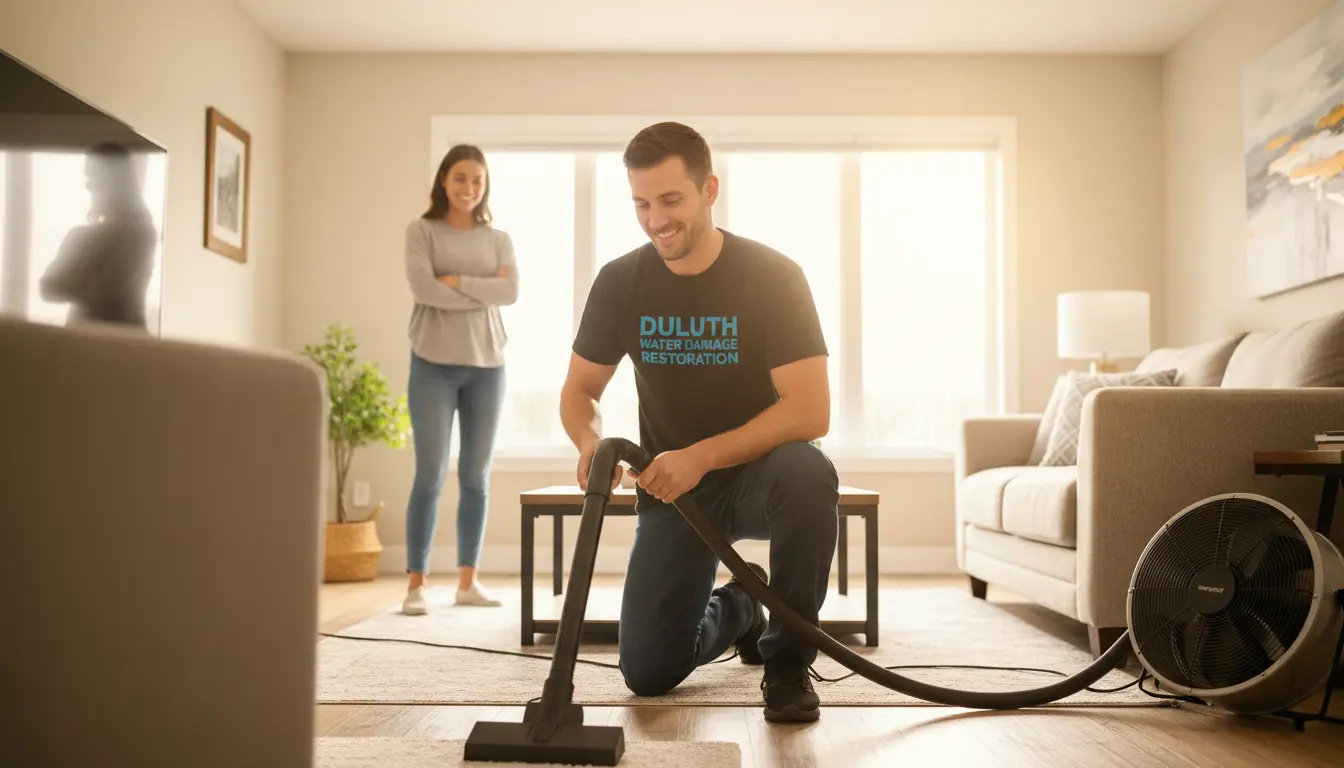
As a water damage restoration expert in Duluth, I’ve seen firsthand the devastating effects of freezing winter temperatures on residential pipes. A burst pipe in a Duluth home can unleash a torrent of water, causing thousands of dollars in damage and posing serious health risks if not addressed promptly. The key to mitigating such disasters lies in immediate professional intervention, emphasizing the importance of understanding how to clean and restore water-damaged furniture and belongings safely.
The process begins with a thorough assessment of the damage, taking into account the unique challenges posed by Duluth’s climate, such as rapid spring snowmelt flooding and the humidity influenced by Lake Superior. This assessment is crucial for determining the best course of action for restoration, including the potential need for emergency water removal and water extraction services.
For homeowners in Duluth, being aware of the signs of water damage, such as those outlined in our guide to 5 Signs Of Hidden Water Damage In Duluth Homes, can be invaluable in preventing further damage. Moreover, understanding the top 7 causes of water damage can help in taking preventive measures.
Technical Process of Water Damage Restoration
The technical process of water damage restoration is multifaceted, involving several critical steps. Initially, a thorough hazard assessment is conducted to identify potential risks such as electrical hazards, contaminated water, and structural instability. This is followed by moisture mapping, which uses tools like penetrating moisture meters and thermal imaging cameras to locate all areas affected by moisture.
Standing water extraction is then performed using truck-mounted extraction units, which are significantly more effective than standard wet/dry vacuums. The use of flood cleanup operations and carpet and upholstery cleaning may also be necessary, depending on the extent of the damage.
Evaporation and dehumidification are crucial steps in the drying process, often requiring the use of LGR dehumidifiers and centrifugal air movers. These tools are selected based on their ability to manipulate temperature and humidity levels effectively, accelerating the drying process while minimizing the risk of secondary damage.
Data Comparison
When considering the efficacy of professional-grade equipment versus DIY methods, the difference is stark. For instance, comparing professional LGR dehumidifiers to standard residential dehumidifiers:
| Feature/Metric | Professional LGR Dehumidifiers | Standard Residential Dehumidifiers |
|---|---|---|
| Water Removal Rate | High | Low |
| Drying Time | Faster | Slower |
| Risk of Secondary Mold | Lower | Higher |
Source: IICRC S500 Reference Guide
Expert Insights
Understanding vapor pressure differentials is key to effective drying. Property owners should also know how to safely shut off utilities and isolate wet zones to prevent further damage. Moreover, recognizing the risks associated with delaying extraction or using improper equipment can save homeowners from dealing with structural rot, secondary mold proliferation, or delamination of flooring.
A common mistake is relying on surface drying while ignoring trapped moisture. This oversight can lead to prolonged drying times and increased risks of secondary damage. It’s also critical to avoid using household cleaning products on water-damaged materials, as these can interfere with the restoration process or even damage the materials further.
Pricing Considerations
The cost of water damage restoration can vary widely, depending on factors such as the category and class of water damage, the size of the affected area, and the need for specialized equipment or services. Some of the key factors influencing cost include:
- Category 3 black water sanitation requirements
- Hazardous material handling, such as asbestos or lead in older homes
- Structural tear-out and reconstruction needs
Understanding these factors and how they impact the pricing of restoration services can help property owners make informed decisions about their recovery process.
Safety and Standards
Safety is paramount in water damage restoration, with specific certifications like IICRC WRT/ASD signifying a provider’s competence in handling water damage situations safely and effectively. The use of EPA-registered biocides and proper PPE is also critical, particularly in scenarios involving contaminated water or potential mold growth.
For households with pets, children, or individuals with allergies, the importance of safety protocols cannot be overstated. These measures protect not only the occupants but also the restoration team, ensuring a safe and healthy environment throughout the restoration process.
Frequently Asked Questions
What is the average drying time for a water-damaged home?
The average drying time can vary significantly depending on the extent of the damage, the materials affected, and the environmental conditions. Generally, drying can take anywhere from a few days to several weeks. It’s essential to work with a professional restoration service that can provide a detailed assessment and timeline for the drying process.
How do I know if I have hidden water damage in my home?
Hidden water damage can be identified through signs such as musty odors, warping of floors or walls, and discoloration. Professional tools like moisture meters and thermal imaging cameras can also detect moisture behind walls or under floors. Regular inspections, especially after significant weather events or plumbing issues, can help in early detection and prevention of further damage.
Can I use my homeowner’s insurance to cover water damage restoration?
Yes, many homeowner’s insurance policies cover water damage restoration, but the specifics can vary widely depending on the policy and the cause of the damage. It’s crucial to review your policy and consult with your insurance provider to understand what is covered and what steps you need to take to file a claim.
What are the health risks associated with water damage?
Water damage can pose significant health risks, including the growth of mold and bacteria, which can exacerbate respiratory issues like asthma or lead to more severe health problems. Contaminated water, especially Category 3 water, can also contain harmful pathogens. Prompt and proper restoration, including sanitization and drying, is essential to mitigate these risks and ensure a safe living environment.
Conclusion
In conclusion, understanding how to clean and restore water-damaged furniture and belongings safely is a critical aspect of water damage restoration. By acting swiftly, being aware of the signs of water damage, and working with professional restoration services like Duluth Water Damage Restoration, homeowners in Duluth can mitigate the effects of water damage and restore their properties to a safe and healthy condition. For more information on water damage restoration and prevention, visit our blog or contact us directly to learn how we can assist you in your time of need.