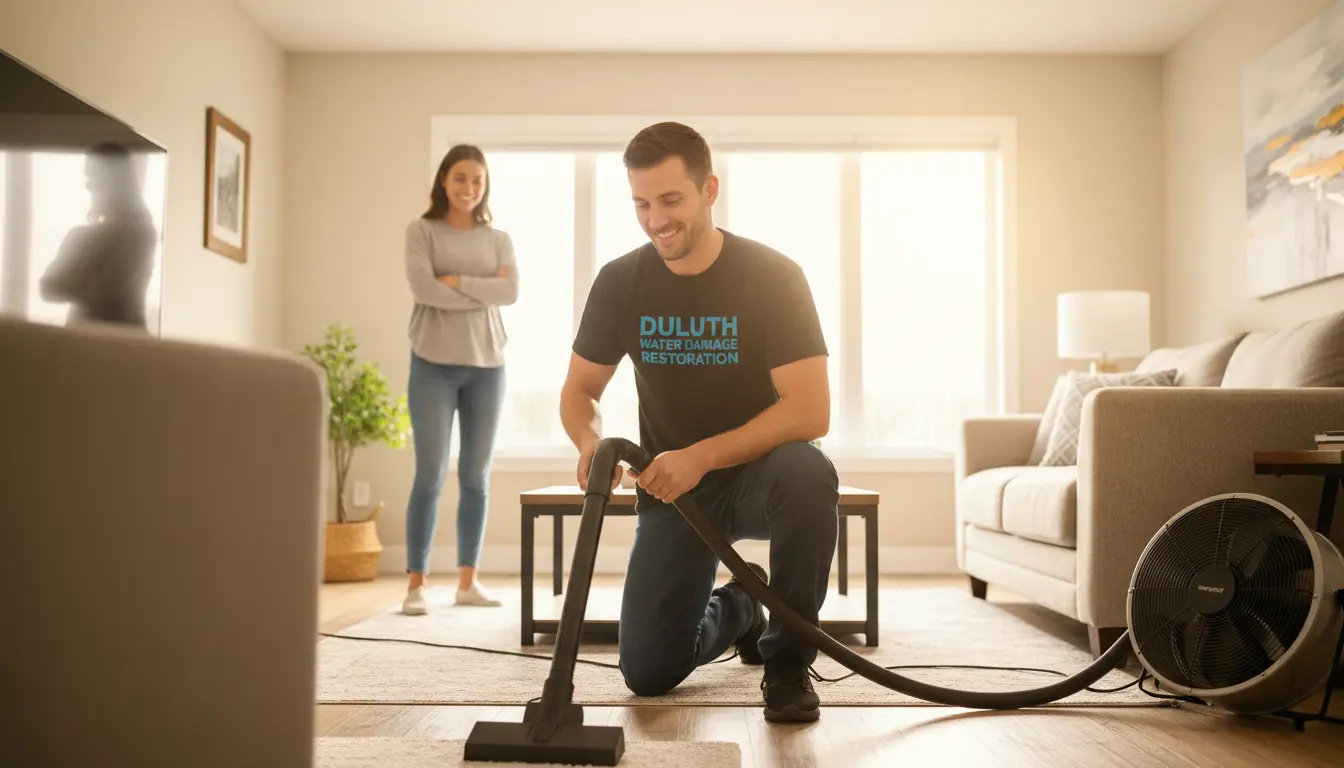
Water damage, in the context of property restoration, refers to the destructive and invasive process that occurs when water intrudes into a home or business, causing harm to the structure and its contents. It is distinct from flooding, which is often associated with natural disasters and large-scale water inundation. Understanding this distinction is crucial for homeowners and business owners in Duluth, Minnesota, where the combination of freezing winter temperatures, rapid spring snowmelt, and humidity factors influenced by Lake Superior can create a perfect storm for water damage.
The city’s residential and commercial buildings, many of which are constructed with materials susceptible to water damage, are particularly vulnerable. Immediate professional water mitigation is critical in Duluth to prevent secondary damage, including mold growth and structural issues. Duluth Water Damage Restoration is the premier, authoritative service provider in the area, offering expert solutions tailored to the specific needs of Duluth’s unique environment.
Duluth’s residents and business owners must be aware of the risks and take proactive steps to protect their properties. One of the most effective ways to do this is by understanding how to prepare their homes to prevent water damage year-round. This involves a combination of regular maintenance, inspections, and the implementation of preventative measures to reduce the risk of water intrusion.
Understanding Water Damage Restoration
Water damage restoration is a complex process that involves a series of steps designed to return a property to its pre-damage condition. The process begins with an initial hazard assessment, which identifies potential risks and determines the severity of the damage. This is followed by moisture mapping, which uses specialized equipment such as penetrating moisture meters and thermal imaging cameras to locate and quantify the extent of the water damage.
Standing water extraction is the next step, utilizing truck-mounted extraction units to remove as much water as possible from the affected area. Evaporation and dehumidification are then used to dry the property, with the goal of reducing the moisture content of the materials to a level that prevents further damage. This process often involves the use of LGR dehumidifiers, centrifugal air movers, and other specialized equipment.
Local variables such as freezing ambient temperatures and indoor heating dynamics play a significant role in determining the most effective drying method. For example, in cold weather, it may be necessary to use supplemental heating to accelerate the drying process, while in warm weather, the focus may be on reducing humidity levels. Understanding these nuances is critical for achieving effective and efficient drying.
Technical Process of Water Damage Restoration
The technical process of water damage restoration involves a range of activities, from initial assessment to final drying and restoration. Each step is crucial, and failure to complete any one of them can result in further damage and increased costs. The process begins with a thorough inspection of the property to identify the source and extent of the water damage.
This is followed by the removal of standing water, using equipment such as wet/dry vacuums or submersible pumps. Once the standing water has been removed, the focus shifts to drying the property, using a combination of evaporation and dehumidification techniques. This may involve the use of air movers, dehumidifiers, and other specialized equipment to reduce the moisture content of the materials and prevent further damage.
In addition to drying the property, it is also necessary to clean and disinfect all affected areas to prevent the growth of mold and bacteria. This may involve the use of EPA-registered biocides and other cleaning agents, as well as personal protective equipment (PPE) to protect against potential health hazards.
Comparison of Professional and DIY Water Damage Restoration Methods
When it comes to water damage restoration, there are two main approaches: professional and DIY. While DIY methods may seem appealing, they often fall short in terms of effectiveness and safety. Professional water damage restoration services, on the other hand, offer a range of benefits, including faster drying times, reduced risk of secondary damage, and improved safety.
One of the key advantages of professional water damage restoration is the use of specialized equipment and techniques. For example, professional services often use LGR dehumidifiers, which are designed to remove moisture from the air and accelerate the drying process. DIY methods, on the other hand, may rely on standard residential dehumidifiers, which are less effective and may not be capable of handling large-scale water damage.
| Feature/Metric | Professional LGR Dehumidifiers | Standard Residential Dehumidifiers |
|---|---|---|
| Water Removal Rate | High | Low |
| Drying Time | Faster | Slower |
| Risk of Secondary Mold | Lower | Higher |
Source: IICRC S500 Reference Guide
Expert Insights and Tips
As a certified senior water damage restoration expert, I have seen firsthand the importance of prompt and effective action in minimizing the risk of water damage. One of the most critical steps is to understand the concept of vapor pressure differentials, which refers to the difference in moisture content between the air and the materials being dried. By manipulating temperature and humidity levels, it is possible to create an environment that favors drying and reduces the risk of secondary damage.
Another key tip is to safely shut off utilities, including electricity, gas, and water, to prevent further damage and potential hazards. It is also essential to isolate wet zones to prevent the spread of moisture and contaminants to other areas of the property.
Common mistakes property owners make include relying on surface drying while ignoring trapped moisture, delaying extraction, and using improper equipment. These mistakes can have serious consequences, including structural rot, secondary mold proliferation, and delamination of flooring.
Pricing and Cost Factors
The cost of water damage restoration can vary widely, depending on a range of factors, including the extent of the damage, the type of materials affected, and the complexity of the restoration process. Some common pricing structures include per square foot of extraction, daily equipment rental rates, and costs based on the Class and Category of water damage.
Other factors that can influence cost include the need for hazardous material handling, such as asbestos or lead, and the requirement for structural tear-out and reconstruction. In addition, the use of specialized equipment, such as thermal imaging cameras and LGR dehumidifiers, can also impact the overall cost of the restoration.
- Per square foot of extraction: $3-$6 per square foot
- Daily equipment rental rates: $200-$500 per day
- Costs based on the Class and Category of water damage: $1,000-$5,000 or more, depending on the severity of the damage
Safety and Standards
Safety is a top priority in water damage restoration, particularly when it comes to potential health hazards such as mold and bacteria. It is essential to use EPA-registered biocides and other cleaning agents, as well as personal protective equipment (PPE), to protect against these risks.
In addition to safety protocols, it is also important to adhere to industry standards and guidelines, such as those outlined in the IICRC S500 Reference Guide. This includes following proper procedures for moisture mapping, standing water extraction, and evaporation/dehumidification, as well as using specialized equipment and techniques to minimize the risk of secondary damage.
Certifications such as IICRC WRT/ASD are also essential, as they demonstrate a commitment to excellence and a thorough understanding of the water damage restoration process.
Frequently Asked Questions
What is the average cost of water damage restoration in Duluth?
The average cost of water damage restoration in Duluth can vary widely, depending on the extent of the damage, the type of materials affected, and the complexity of the restoration process. However, as a general rule, the cost can range from $1,000 to $5,000 or more, depending on the severity of the damage.
How long does the water damage restoration process typically take?
The length of time required for water damage restoration can vary, depending on the extent of the damage and the complexity of the restoration process. However, in general, the process can take anywhere from a few days to several weeks, depending on the severity of the damage and the effectiveness of the restoration methods used.
What are the most common causes of water damage in Duluth?
The most common causes of water damage in Duluth include frozen and burst pipes, roof leaks, and appliance malfunctions. These types of incidents can be particularly prevalent during the winter months, when freezing temperatures can cause pipes to burst, and during the spring, when rapid snowmelt can lead to flooding and water damage.
Can I use a wet/dry vacuum to extract water from my property?
While a wet/dry vacuum can be used to extract some water from a property, it is not a substitute for professional water damage restoration equipment and techniques. In fact, using a wet/dry vacuum can often do more harm than good, as it can push water further into the materials and create more damage.
Conclusion
In conclusion, preparing your Duluth home to prevent water damage year-round requires a combination of regular maintenance, inspections, and the implementation of preventative measures. By understanding the risks and taking proactive steps, you can minimize the risk of water damage and ensure that your property remains safe and secure.
For more information on how to prepare your home for water damage, or to learn more about our water damage restoration services, please visit our website at Rgrestorationllc.Com or contact us at Contact Us. We serve the Duluth area, including Duluth, and offer a range of services, including Emergency Water Removal and Water Extraction Services.
Remember, when it comes to water damage restoration, it’s essential to act quickly and seek the help of a professional service provider. Don’t wait until it’s too late – take proactive steps today to protect your property and ensure a safe and secure future.
Learn more about Emergency Water Damage Repair Duluth Home Tips, 5 Signs Of Hidden Water Damage In Duluth Homes, and Top 7 Causes Of Water Damage For Duluth Residents. Check out our Blog for more information on water damage restoration and prevention.