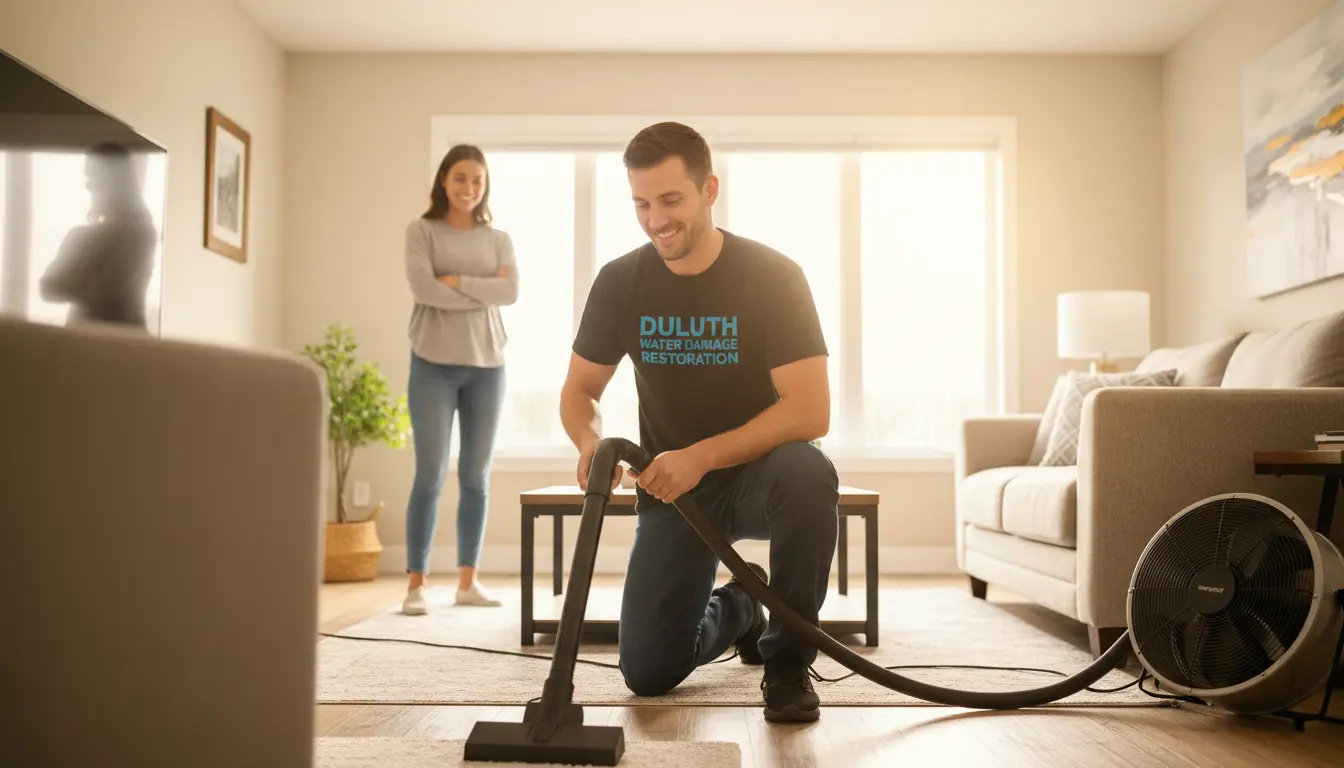
As a water damage restoration expert in Duluth, I’ve seen firsthand the devastating effects of winter’s freeze-thaw cycles on local homes. Just last week, a homeowner in Congdon Park woke up to find their basement flooded due to a burst pipe, highlighting the importance of immediate professional mitigation to prevent secondary damage and mold growth. This scenario is all too common in Duluth, where freezing temperatures and rapid snowmelt can cause chaos for homeowners. That’s why it’s crucial to understand the best way to dry insulation after water damage, a process that requires careful consideration of local factors like humidity and temperature fluctuations.
The key to successful water damage restoration is a thorough understanding of the scientific principles behind structural drying. In Duluth, this means taking into account the unique challenges posed by the region’s climate, including the impact of Lake Superior’s humidity on indoor moisture levels. By leveraging tools like thermal imaging cameras and penetrating moisture meters, professionals can identify and address hidden moisture issues before they become major problems. For homeowners in Duluth, it’s essential to work with a reputable and experienced water damage restoration service that can provide expert guidance and support throughout the mitigation process.
For those looking for more information on emergency water damage repair, our Emergency Water Damage Repair Duluth Home Tips page offers valuable insights and advice. Additionally, our Top 7 Causes Of Water Damage For Duluth Residents article can help homeowners identify potential risks and take steps to prevent water damage in the first place.
Technical Process
The professional water damage restoration workflow in Duluth typically begins with an initial hazard assessment, followed by moisture mapping to identify areas of high moisture content. Standing water extraction is then performed using truck-mounted extraction units, and evaporation/dehumidification is facilitated through the use of LGR dehumidifiers and centrifugal air movers. Anti-microbial application may also be necessary to prevent the growth of mold and bacteria. Throughout this process, it’s essential to consider local variables like freezing ambient temperatures and indoor heating dynamics, which can significantly impact the chosen drying method.
For example, in Duluth’s cold winter months, it may be necessary to use heated drying equipment to accelerate the evaporation process and prevent further damage. Conversely, during the spring and summer months, the focus may shift to managing humidity levels and preventing mold growth. By understanding these local factors and adapting the restoration process accordingly, professionals can ensure a safe and effective drying process that minimizes the risk of secondary damage.
Data Comparison Table
When it comes to drying insulation after water damage, it’s essential to use the right equipment for the job. The following table compares the features and benefits of professional LGR dehumidifiers versus standard residential dehumidifiers:
| Feature/Metric | Professional LGR Dehumidifiers | Standard Residential Dehumidifiers |
|---|---|---|
| Water Removal Rate | High | Low |
| Drying Time | Faster | Slower |
| Risk of Secondary Mold | Low | High |
Source: IICRC S500 Reference Guide
Expert Insights
Common mistakes property owners make when dealing with water damage include relying on surface drying while ignoring trapped moisture, delaying extraction, and using improper equipment. These mistakes can have serious consequences, including structural rot, secondary mold proliferation, and delamination of flooring. By working with a reputable and experienced water damage restoration service, homeowners can avoid these pitfalls and ensure a safe and effective drying process.
Pricing
The cost of water damage restoration in Duluth can vary widely depending on factors like the Class and Category of water damage, the extent of the damage, and the need for hazardous material handling or structural tear-out. Some common pricing structures include per square foot of extraction, daily equipment rental rates, and costs based on the specific services required. For example, Burst Pipe Damage Repair may require additional fees for equipment rental and labor.
- Per square foot of extraction: $X-$Y
- Daily equipment rental rates: $Z-$W
- Costs based on Class and Category of water damage: $V-$U
Safety & Standards
When it comes to water damage restoration, safety is paramount. That’s why it’s essential to work with a service that is certified by the IICRC and adheres to strict safety protocols, including the use of EPA-registered biocides and proper PPE. This ensures not only a safe working environment but also protects households with pets, children, or allergy sufferers from airborne mold spores and other hazards. For more information on our About Us page, please visit our website.
FAQ Section
What is the best way to dry insulation after water damage?
The best way to dry insulation after water damage is to use a combination of extraction, evaporation, and dehumidification. This may involve removing wet insulation, using thermal imaging cameras to identify hidden moisture, and employing LGR dehumidifiers and centrifugal air movers to facilitate drying. It’s essential to work with a reputable and experienced water damage restoration service to ensure a safe and effective drying process.
How long does it take to dry a flooded basement?
The time it takes to dry a flooded basement can vary widely depending on factors like the extent of the damage, the type of insulation and building materials, and the effectiveness of the drying equipment. Generally, it can take anywhere from a few days to several weeks to fully dry a flooded basement. It’s essential to work with a reputable and experienced water damage restoration service to ensure a safe and effective drying process.
Can I use a wet/dry vacuum to extract water from my basement?
While a wet/dry vacuum can be useful for removing small amounts of water, it’s not a substitute for professional water extraction equipment. In fact, using a wet/dry vacuum can actually push water further into the building materials, making the problem worse. It’s essential to work with a reputable and experienced water damage restoration service that has the right equipment and expertise to safely and effectively extract water and dry the affected area.
How can I prevent mold growth after a flood?
To prevent mold growth after a flood, it’s essential to dry the affected area as quickly as possible. This may involve removing wet insulation, using thermal imaging cameras to identify hidden moisture, and employing LGR dehumidifiers and centrifugal air movers to facilitate drying. Additionally, it’s essential to use anti-microbial agents to prevent the growth of mold and bacteria. For more information on 5 Signs Of Hidden Water Damage In Duluth Homes, please visit our website.
Professional Water Damage Restoration in Duluth
In conclusion, when it comes to drying insulation after water damage in Duluth, it’s essential to work with a reputable and experienced water damage restoration service. By understanding the unique challenges posed by the region’s climate and leveraging the right equipment and expertise, professionals can ensure a safe and effective drying process that minimizes the risk of secondary damage and mold growth. For more information on our services, including Ultimate Guide To Water Restoration In Duluth Ga, please visit our website. Contact us today to learn more about how we can help you with your water damage restoration needs in Duluth.