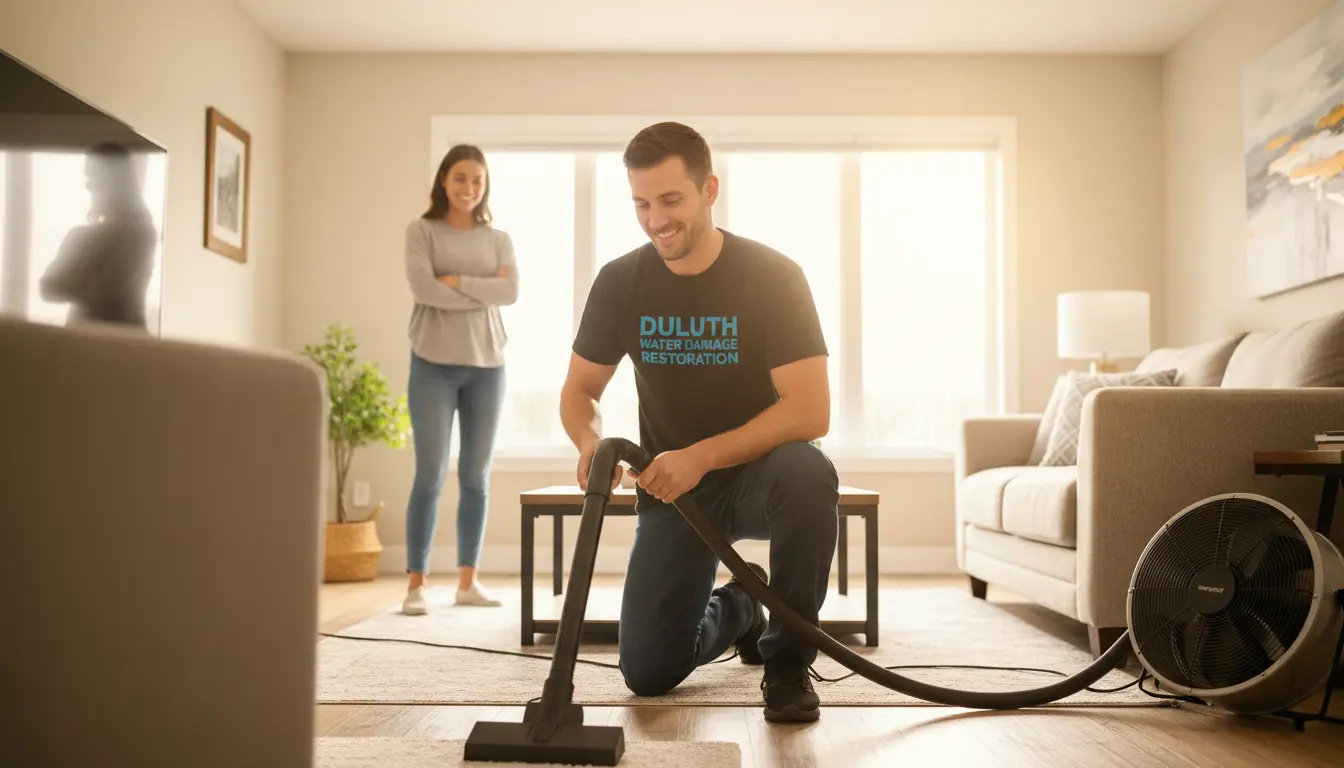
Water damage can strike unexpectedly, especially in a place like Duluth where heavy rains and humid summers often lead to flooded basements or leaky roofs. Imagine coming home after a stormy afternoon in Duluth to find water pooling in your living room—panic sets in, but don’t worry. As beginners, you can handle minor water issues with the right guidance. At Duluth Water Damage Restoration, we’ve helped countless homeowners in the area restore their properties, and we’re sharing our expertise to empower you with DIY steps. This guide will walk you through the process safely and effectively, but remember, for extensive damage, professional water extraction services are just a call away.
Whether it’s a burst pipe during winter or overflow from a summer shower, knowing how to act quickly can save your home from mold and structural issues. Let’s dive into the essentials of DIY water cleanup tailored for Duluth residents.
Understanding Water Damage in Duluth Homes
Duluth’s location in Gwinnett County exposes homes to unique water risks. Frequent thunderstorms and proximity to the Chattahoochee River mean flooding isn’t uncommon, particularly in neighborhoods like those near Duluth’s bustling downtown. Water damage isn’t just about standing water; it can seep into walls, floors, and furniture, leading to costly repairs if ignored.
Common Causes of Water Damage
In Duluth, the top culprits include:
- Heavy Rainfall and Flooding: Our area’s clay-heavy soil doesn’t drain well, causing basements to flood during intense storms. If you’re in a low-lying spot near Buford Highway, this is a frequent issue.
- Appliance Malfunctions: Washing machines or water heaters failing can release gallons of water indoors.
- Roof Leaks: Aging roofs in older Duluth homes often give way under Georgia’s relentless humidity.
- Sewer Backups: During heavy downpours, municipal systems can overflow, affecting homes in Lilburn-adjacent areas.
Recognizing these early helps you respond faster. Always assess the category of water—clean (from pipes), gray (from washing machines), or black (sewage)—as black water requires immediate professional intervention to avoid health hazards.
Safety First: Precautions Before Starting Cleanup
Before grabbing a mop, prioritize safety. Water and electricity don’t mix, and in Duluth’s variable weather, hidden dangers lurk.
Essential Safety Measures
- Turn Off Power: Shut off electricity to affected areas at the breaker box to prevent shocks. If water is near outlets, call an electrician.
- Wear Protective Gear: Use rubber gloves, boots, goggles, and an N95 mask. Mold spores can thrive in Duluth’s warm climate, irritating lungs.
- Ventilate the Area: Open windows and doors, but be cautious of Duluth’s occasional high winds that could spread contaminants.
- Assess Structural Integrity: Check for weakened floors or walls. If your home shows signs of sagging, evacuate and contact experts.
For severe cases, like those following a flood in Sugar Hill, skip DIY and reach out for basement flood recovery to ensure safety.
Remember, if the water source is sewage-related, do not attempt cleanup yourself—it’s a biohazard best left to pros.
Step-by-Step DIY Water Cleanup Guide
Now, let’s get to the action. This guide is for minor incidents, like a small leak or overflow. Work methodically to minimize damage.
Step 1: Identify and Stop the Water Source
The first rule: Stop the flow. Turn off the main water valve if it’s a plumbing issue. For roof leaks, place buckets under drips and tarp the exterior—Duluth’s hardware stores like Home Depot on Pleasant Hill Road stock affordable tarps.
If it’s external flooding from a Duluth storm, ensure gutters are clear. Clogged ones exacerbate issues in our rainy season. Pro tip: Install gutter guards to prevent future problems.
Step 2: Remove Standing Water
Time is critical—standing water breeds bacteria within hours. Start with extraction:
- Use a Wet/Dry Vacuum: Rent one from a local Duluth tool rental shop. Empty it frequently to avoid overflow.
- Mop and Bucket Method: For smaller areas, mop into a bucket and dispose outside. Avoid using regular vacuums; they’ll short-circuit.
- Pump Out Larger Volumes: For basements, a submersible pump works wonders. Direct water away from your foundation to prevent further erosion, common in Duluth’s red clay soil.
If the volume overwhelms you, consider flood cleanup operations from certified technicians who use industrial-grade equipment.
Step 3: Dry the Affected Areas Thoroughly
Drying prevents mold, which loves Duluth’s 70-80% humidity averages.
- Remove Wet Items: Take out soaked rugs, furniture, and belongings. For carpets, lift and prop them up; carpet and upholstery cleaning can salvage them later.
- Use Fans and Dehumidifiers: Set up box fans and rent a dehumidifier. Aim for 40-50% humidity indoors. Place fans to circulate air, not blow directly on walls.
- Natural Ventilation: On dry Duluth days, open windows. Avoid this during high pollen seasons to prevent allergens.
Monitor with a moisture meter—available at local stores. Walls over 15% moisture need attention; cut out drywall if necessary and dry the studs.
Step 4: Clean and Disinfect
Once dry, sanitize to kill germs.
- Mild Soap Solution: Wipe surfaces with dish soap and water.
- Disinfectants: Use a bleach solution (1 cup bleach to 1 gallon water) for non-porous surfaces. For fabrics, enzyme cleaners break down organic matter.
- Mold Check: Look for black spots. Small patches (under 10 sq ft) can be scrubbed with a brush and bleach, but wear protection.
In Duluth’s warm weather, act within 24-48 hours to curb mold growth.
Step 5: Restore and Prevent Future Damage
Repair what you can:
- Patch Walls and Floors: Use drywall kits for holes. For hardwood, sand and refinish; floorboard restoration pros handle warping.
- Prevention Tips: Seal cracks, maintain appliances, and elevate valuables in basements. In flood-prone Stevens Creek areas, consider sump pumps.
Document everything with photos for insurance claims—Duluth insurers like State Farm appreciate details.
FAQ: Common Questions About DIY Water Cleanup
1. How long does it take for mold to grow after water damage?
In Duluth’s humid environment, mold can start in 24-48 hours. Quick drying is key to prevention.
2. Can I clean up water damage myself if it’s from a clean source?
Yes, for small, clean water spills. But if it’s gray or black water, call professionals immediately to avoid health risks.
3. What tools do I need for basic DIY water cleanup?
Essentials include a wet/dry vac, fans, dehumidifier, gloves, and disinfectants. Rent from Duluth spots like United Rentals.
4. When should I call Duluth Water Damage Restoration?
If damage exceeds 10 sq ft, involves electricity, or you’re unsure—our team offers 24/7 emergency response in Duluth and nearby areas.
5. Does homeowners insurance cover DIY cleanup costs?
Many policies reimburse tools and rentals if you mitigate damage promptly. Check your policy and keep receipts.
Conclusion: Take Control of Water Damage Today
DIY water cleanup empowers beginners to handle minor issues confidently, saving time and money in Duluth’s unpredictable weather. By following these steps—stopping the source, extracting water, drying thoroughly, cleaning, and preventing recurrence—you protect your home and family. However, for larger disasters, trust the experts at Duluth Water Damage Restoration. Our local team understands Duluth’s specific challenges and delivers fast, reliable service. Don’t let water damage overwhelm you—contact us today at (678) 679-5651 for a free assessment and reclaim your peace of mind!