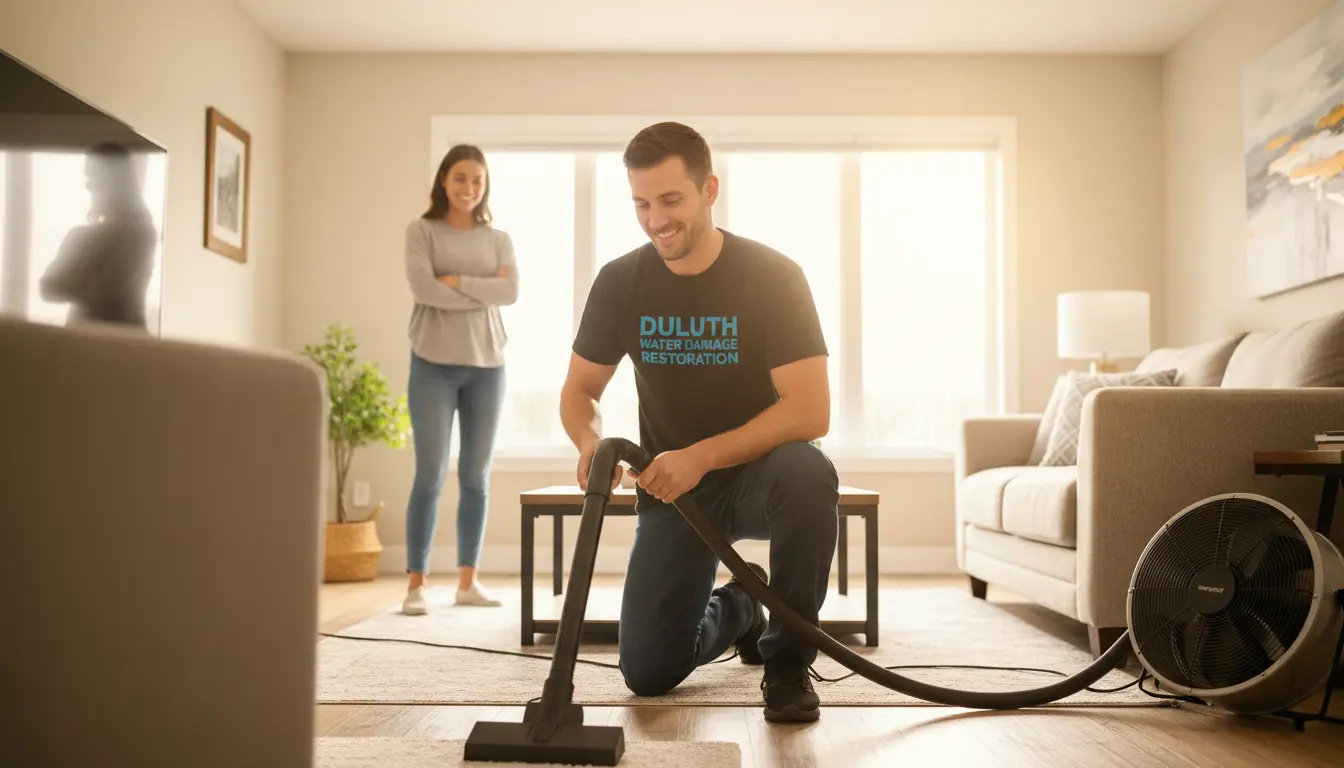
As a water damage restoration expert in Duluth, I recall a particularly harsh winter morning when a homeowner called, frantic about a burst pipe that had flooded her entire basement. The immediate concern was not just the standing water, but the potential for secondary damage and mold growth, especially given Duluth’s humid continental climate. This scenario highlights the critical need for prompt and professional water damage restoration in Duluth, where freezing temperatures and rapid snowmelt can exacerbate water intrusion issues.
The importance of immediate action cannot be overstated. Delaying mitigation and restoration can lead to increased costs, more extensive damage, and health risks associated with mold and contaminated water. Duluth Water Damage Restoration stands as a premier service provider in the area, equipped with the expertise and technology to address the unique challenges of water damage in Duluth’s residential and commercial properties.
Understanding the local conditions, such as the freezing winter temperatures that can cause pipes to burst, and the rapid spring snowmelt that can lead to flooding, is crucial for effective water damage restoration. Moreover, the humidity factors influenced by Lake Superior and the common residential and commercial building materials in the area must be considered to ensure a comprehensive restoration plan. For instance, the use of emergency water damage repair tips can help homeowners mitigate initial damage, while professionals can apply advanced techniques like psychrometry and moisture mapping to ensure thorough drying.
Technical Process of Water Damage Restoration
The professional water damage restoration process begins with a thorough initial assessment to identify all areas affected by water and to classify the water damage. This step is crucial as it determines the best approach for restoration, considering factors such as the category and class of water damage. For example, common causes of water damage in Duluth can help in understanding the potential sources of water intrusion and thus guide the assessment.
Following the assessment, the next steps involve standing water extraction, using equipment such as truck-mounted extraction units, and then applying evaporation and dehumidification techniques. Tools like penetrating moisture meters and thermal imaging cameras are indispensable for detecting hidden moisture and ensuring that all affected areas are addressed. The choice of drying method can be influenced by local variables such as ambient temperature and humidity levels, necessitating a flexible approach that may include the use of LGR dehumidifiers and centrifugal air movers.
Data Comparison for Restoration Methods
When comparing different restoration methods, particularly professional versus DIY approaches, several key factors come into play. These include the water removal rate, drying time, and risk of secondary mold growth. A comparison of professional LGR dehumidifiers and standard residential dehumidifiers, for instance, would show significant differences in their effectiveness and efficiency.
| Feature/Metric | Professional LGR Dehumidifiers | Standard Residential Dehumidifiers |
|---|---|---|
| Water Removal Rate | High | Lower |
| Drying Time | Faster | Slower |
| Risk of Secondary Mold | Lower | Higher |
Source: IICRC S500 Reference Guide
Expert Insights for Property Owners
For property owners in Duluth, understanding a few key principles can significantly impact the restoration process. Firstly, recognizing the signs of hidden water damage, such as those outlined in 5 signs of hidden water damage in Duluth homes, can prompt earlier intervention. Secondly, grasping the concept of vapor pressure differentials can help in choosing the right drying strategy. Lastly, knowing how to safely shut off utilities and isolate wet zones can prevent further damage and ensure safety during the restoration process.
Common mistakes, such as relying solely on surface drying and ignoring trapped moisture, can lead to severe consequences. Delays in extraction and the use of improper equipment not only prolong the drying process but also increase the risk of structural rot and mold proliferation. In areas prone to flooding, such as near Lake Superior, the risk of Category 3 water (contaminated water) necessitates immediate and specialized treatment to prevent health hazards.
Pricing and Cost Factors
The cost of water damage restoration in Duluth can vary widely based on several factors, including the extent of the damage, the category and class of water, and the necessity for hazardous material handling. Pricing structures may include per square foot of extraction, daily equipment rental rates for air movers and dehumidifiers, and costs associated with the removal and replacement of damaged materials. For instance, the presence of asbestos or lead in older homes can significantly increase costs due to the need for specialized removal and disposal procedures.
Understanding these factors and having a clear, upfront discussion about costs and the restoration process can help manage expectations and ensure a smoother recovery for affected properties. The ultimate guide to water restoration in Duluth, GA, provides valuable insights into the process, costs, and importance of professional restoration services.
Safety and Standards in Restoration
Safety is paramount in water damage restoration, particularly in scenarios involving contaminated water or hazardous materials. Professionals must adhere to strict safety protocols, including the use of EPA-registered biocides and proper Personal Protective Equipment (PPE). Certifications such as IICRC WRT (Water Restoration Technician) and ASD (Applied Structural Drying) ensure that technicians are well-versed in the latest techniques and standards for safe and effective restoration.
The importance of these standards and protocols cannot be overstated, especially in protecting households with vulnerable members, such as pets, children, or individuals with allergies, from the risks associated with water damage and mold growth. By choosing a service provider that prioritizes safety and adheres to industry standards, property owners can ensure a safe and healthy environment following restoration.
Frequently Asked Questions
What is the typical drying time for a water-damaged property?
The drying time can vary significantly depending on the extent of the damage, the type of materials affected, and the environmental conditions. Generally, professional restoration services can achieve drying within 3 to 5 days, but this timeframe can be longer in cases of more severe damage or when dealing with materials that absorb and retain more moisture, such as hardwood floors or gypsum board.
How can I prevent mold growth after water damage?
Preventing mold growth requires prompt action, including the immediate extraction of standing water, reduction of humidity through dehumidification, and ensuring good airflow. Applying anti-microbial treatments to affected areas can also help prevent mold growth. It’s crucial to address all areas of moisture, including hidden pockets behind walls or under flooring, to prevent conditions conducive to mold proliferation.
What should I do first if I discover water damage in my home?
The first step upon discovering water damage is to ensure your safety. Switch off the main electrical power and water supply if it’s safe to do so. Next, contact a professional water damage restoration service. While waiting for the professionals to arrive, you can start by removing any items that could be damaged by the water, such as rugs, furniture, and personal belongings. However, it’s essential not to attempt to dry the area yourself with a household vacuum or fan, as this can spread contamination or push water further into the structure.
Can I use my insurance to cover water damage restoration costs?
Yes, in many cases, water damage restoration costs can be covered by insurance, depending on the policy and the cause of the damage. It’s essential to review your insurance policy to understand what is covered and to contact your insurance provider as soon as possible after the incident. Keeping detailed records of the damage and the restoration process, including before and after photos and receipts for any temporary repairs, can help facilitate the insurance claim process.
Conclusion
In conclusion, water damage restoration in Duluth requires a comprehensive approach that considers the unique local conditions, the category and class of water damage, and the necessity for prompt action to prevent secondary damage and health risks. By understanding the technical process, the importance of safety and standards, and the factors that influence pricing, property owners can make informed decisions about their restoration needs. Duluth Water Damage Restoration is poised to provide expert, reliable, and efficient services tailored to the specific needs of Duluth’s residential and commercial properties, ensuring a safe, healthy, and restored environment for all.
For those facing water damage, the key takeaway is the importance of acting quickly and seeking professional help. Whether you’re in Duluth, Johns Creek, Suwanee, or any of the surrounding areas, including Lawrenceville and Norcross, professional water damage restoration services are available to help mitigate damage and restore your property to its original condition.