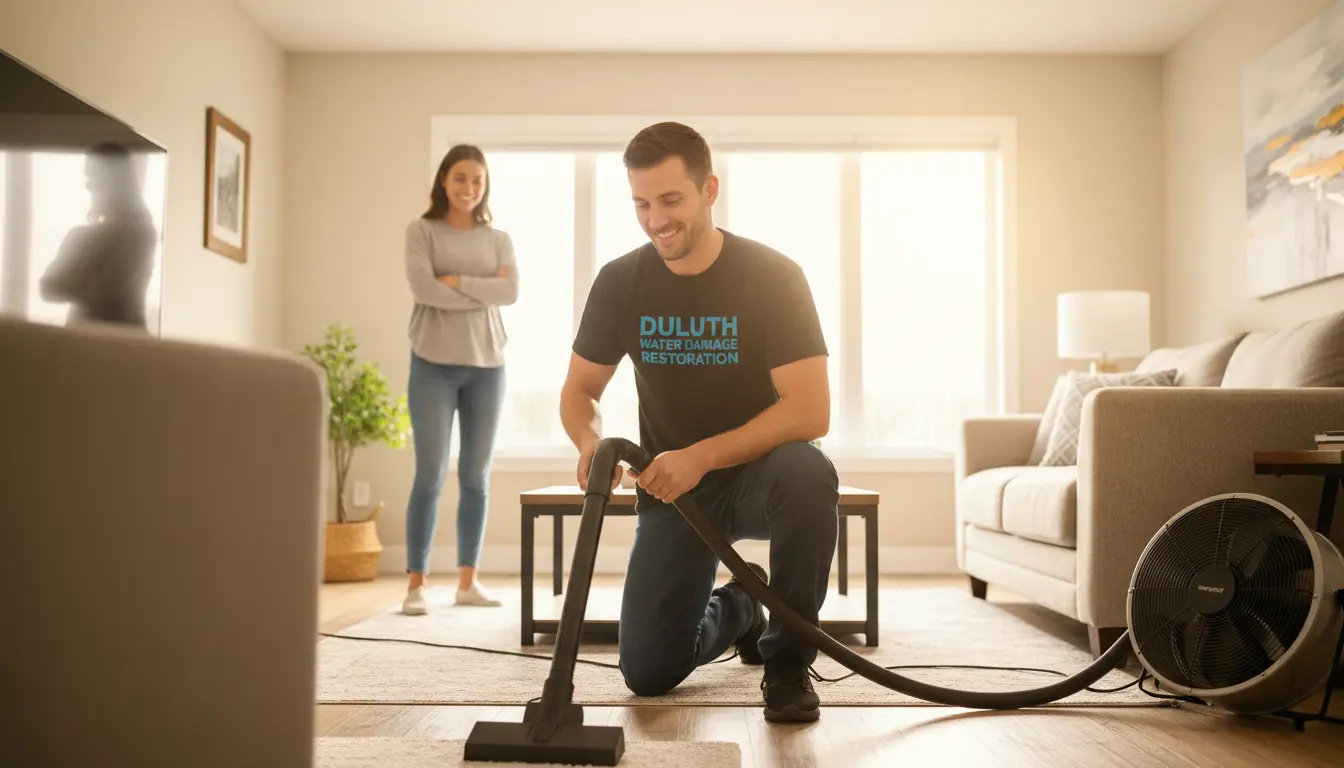
As a homeowner in Duluth, you’re likely aware of the devastating effects of water damage on your property’s structural integrity. The freeze-thaw cycles common in Minnesota winters can cause pipes to burst, leading to costly repairs and potential health hazards. In fact, according to the top 7 causes of water damage for Duluth residents, burst pipes are a leading culprit. If you’re not taking immediate action to mitigate the damage, you could be facing a bill of up to $10,000 or more, depending on the extent of the damage.
The importance of prompt professional water mitigation in Duluth cannot be overstated. Not only can it save you thousands of dollars in repair costs, but it can also prevent the growth of mold and mildew, which can have serious health implications. At Duluth Water Damage Restoration, we understand the urgency of water damage situations and are equipped to provide prompt, effective solutions to get your property back to its original state.
Our team of certified experts has the training and equipment necessary to handle even the most complex water damage restoration projects. From initial hazard assessment to final walkthrough, we’ll work closely with you to ensure that your property is restored to a safe, healthy condition. For more information on our services, visit our services page or check out our blog for tips on preventing and addressing water damage.
Technical Process
The professional water damage restoration workflow involves several critical steps, each designed to address a specific aspect of the damage. First, our team conducts an initial hazard assessment to identify potential safety risks and determine the best course of action. This may involve emergency water removal to prevent further damage.
Next, we use specialized equipment such as penetrating moisture meters and thermal imaging cameras to map the extent of the moisture intrusion. This helps us to identify areas where water may be trapped or hidden, allowing us to target our drying efforts more effectively. We also provide water extraction services to remove standing water and prevent further damage.
Once we’ve assessed the damage and removed any standing water, we begin the drying process using a combination of evaporation and dehumidification techniques. This may involve the use of truck-mounted extraction units, LGR dehumidifiers, and centrifugal air movers, all of which are designed to manipulate temperature and humidity levels to facilitate drying. For example, our structural drying process is designed to dry the structure of your property, including walls, floors, and ceilings.
In addition to these steps, we also apply anti-microbial treatments to prevent the growth of mold and mildew, and take steps to protect your property from further damage during the drying process. This may include burst pipe damage repair or wall and ceiling drying.
Data Comparison Table
When it comes to drying equipment, there are several options available, each with its own strengths and weaknesses. The following table compares the features and benefits of professional LGR dehumidifiers versus standard residential dehumidifiers:
| Feature/Metric | Professional LGR Dehumidifiers | Standard Residential Dehumidifiers |
|---|---|---|
| Water Removal Rate | Up to 25 gallons per day | Up to 5 gallons per day |
| Drying Time | 24-48 hours | 3-5 days |
| Risk of Secondary Mold | Low | High |
Source: IICRC S500 Reference Guide
Expert Insights
As a certified senior water damage restoration expert, I’ve seen firsthand the importance of proper drying techniques in preventing secondary damage and ensuring a safe, healthy environment. Here are three advanced professional tips to keep in mind:
First, it’s essential to understand the concept of vapor pressure differentials and how they impact the drying process. By manipulating temperature and humidity levels, you can create an environment that favors evaporation and drying, rather than condensation and moisture accumulation.
Second, safely shutting off utilities is critical in preventing further damage and ensuring a safe working environment. This includes shutting off the main water valve, as well as any electrical or gas services that may be affected by the water damage.
Third, isolating wet zones is crucial in preventing the spread of moisture and mold. This may involve setting up containment barriers or using negative air pressure to prevent moisture from migrating to unaffected areas.
On the other hand, there are several common mistakes that property owners make when dealing with water damage, including relying on surface drying while ignoring trapped moisture, delaying extraction, and using improper equipment. These mistakes can have serious consequences, including structural rot, secondary mold proliferation, and delamination of flooring.
Pricing
The cost of water damage restoration services can vary widely depending on several factors, including the extent of the damage, the type of equipment required, and the complexity of the project. Here are some realistic pricing structures to consider:
- Per square foot of extraction: $3-$5 per square foot
- Daily equipment rental rates: $100-$500 per day
- Costs based on the Class and Category of water damage: $500-$5,000 or more
It’s also important to consider the potential costs of secondary damage, including mold remediation, structural repairs, and replacement of damaged materials.
Safety and Standards
At Duluth Water Damage Restoration, we take safety and standards very seriously. Our team is certified in the latest techniques and protocols, including the IICRC WRT/ASD certification, and we adhere to all relevant safety protocols and regulations.
We use only EPA-registered biocides and proper PPE (Personal Protective Equipment) to ensure a safe working environment and prevent the spread of contaminants. We also take steps to protect households with pets, children, or allergy sufferers from airborne mold spores and other hazards.
FAQ Section
What is the average drying time for a water-damaged property?
The average drying time for a water-damaged property can vary depending on several factors, including the extent of the damage, the type of equipment used, and the environmental conditions. In general, however, most properties can be dried within 3-5 days using professional equipment and techniques.
How much does water damage restoration cost?
The cost of water damage restoration can vary widely depending on several factors, including the extent of the damage, the type of equipment required, and the complexity of the project. On average, however, most homeowners can expect to pay between $500 and $5,000 or more for water damage restoration services.
What are the risks of secondary mold growth after water damage?
The risks of secondary mold growth after water damage are significant, and can include health problems, structural damage, and costly repairs. Mold can grow quickly in moist environments, and can spread through airborne spores, making it essential to address water damage promptly and effectively.
Can I use a wet/dry vacuum to extract water from my property?
While a wet/dry vacuum can be useful for removing small amounts of water, it is not a substitute for professional water extraction equipment. In fact, using a wet/dry vacuum can actually push water further into the structure, causing more damage and increasing the risk of secondary mold growth.
Professional Water Damage Restoration in Duluth
In conclusion, prompt and effective water damage restoration is critical in preventing secondary damage and ensuring a safe, healthy environment. At Duluth Water Damage Restoration, we have the training, equipment, and expertise necessary to handle even the most complex water damage restoration projects.
Don’t risk your property and your health by attempting to handle water damage on your own. Instead, contact us today to schedule a consultation and let our team of certified experts get to work on restoring your property to its original state. For more information on our services and to learn how to prevent water damage, visit our knowledge hub or check out our about us page to learn more about our team and our mission.
Remember, when it comes to water damage restoration, every minute counts. Don’t wait – contact us today to get started on the road to recovery. You can reach us through our contact us page or by visiting our areas we serve page to learn more about our service area.