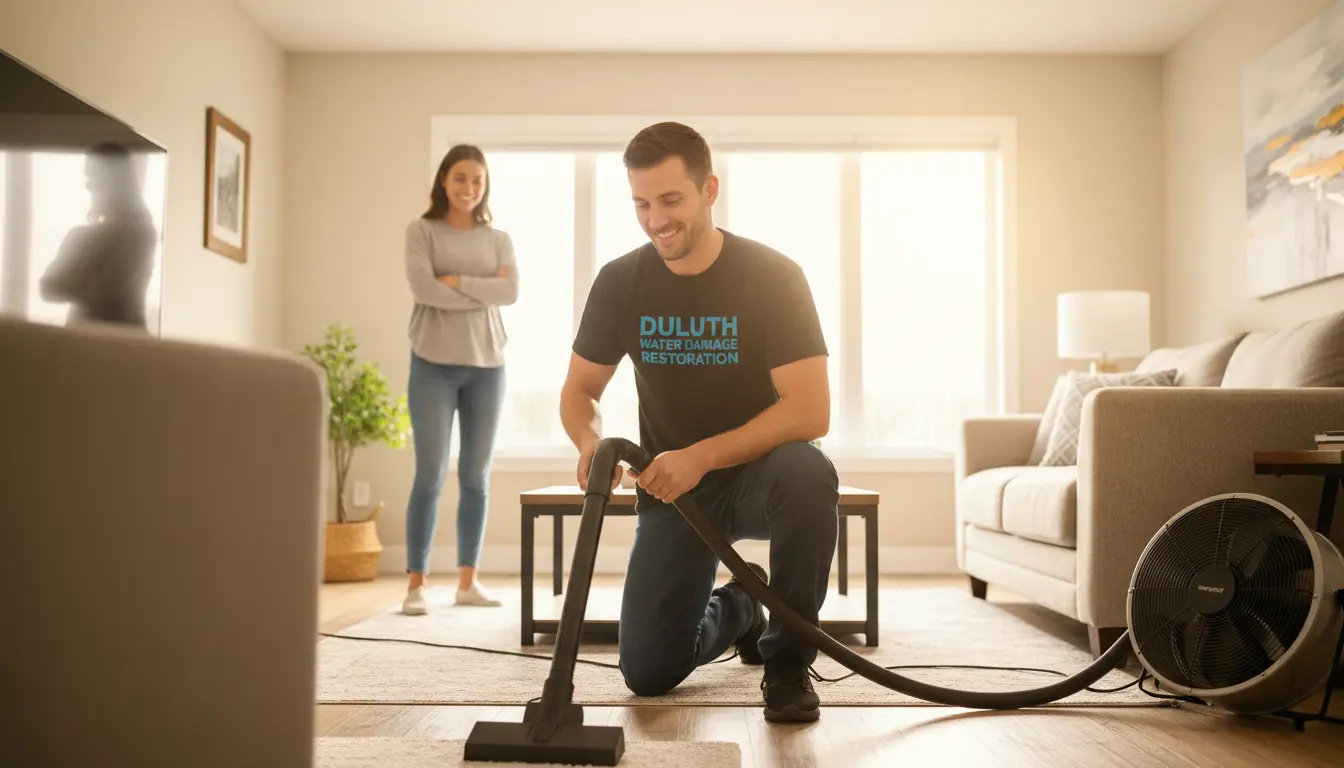
As a restoration expert, I recall a 4pm emergency call from a frantic homeowner near Chester Park, whose basement had transformed into a swimming pool due to a burst pipe. The sound of rushing water and the smell of dampness filled the air, and I knew every minute counted in preventing further damage. This scenario is all too common in Duluth, where freezing temperatures can cause pipes to burst, leading to hidden water damage behind walls. If left unchecked, this can lead to structural issues, mold growth, and a plethora of other problems that can be costly and dangerous to repair.
The importance of immediate professional water mitigation cannot be overstated, especially in areas like Duluth, where the climate can exacerbate water damage. Duluth Water Damage Restoration is the premier service provider in the area, equipped with the knowledge, tools, and expertise to handle any water damage situation. Our team of certified professionals understands the nuances of water damage restoration, from the initial assessment to the final drying and restoration stages.
Understanding the signs of hidden water damage is crucial for homeowners and property managers. These signs can include water stains on walls and ceilings, musty odors, and the sound of dripping water. If you suspect water damage, it’s essential to act quickly to prevent further damage and potential health risks. Our team at Duluth Water Damage Restoration is dedicated to providing prompt, effective, and compassionate service to help you navigate the restoration process.
Technical Process of Water Damage Restoration
The process of water damage restoration involves several critical steps, each designed to ensure a thorough and safe recovery from water damage. Initially, our team conducts a thorough hazard assessment to identify potential risks and develop a tailored restoration plan. This assessment includes evaluating the category and class of water damage, which determines the necessary steps for mitigation and restoration.
Following the assessment, we employ specialized equipment such as penetrating moisture meters and thermal imaging cameras to locate and quantify the extent of moisture intrusion. This data informs our strategy for water extraction, which may involve truck-mounted extraction units for efficient removal of standing water. The goal is to minimize the water’s contact time with surfaces, reducing the risk of secondary damage and mold growth.
After extraction, the focus shifts to evaporation and dehumidification. We utilize LGR dehumidifiers and centrifugal air movers to create an environment that promotes rapid evaporation of moisture from surfaces, thereby facilitating the drying process. This phase is critical and requires precise monitoring of temperature, humidity, and air movement to ensure that drying occurs evenly and safely.
A key aspect of our restoration process is the application of anti-microbial treatments to prevent the growth of mold and bacteria, particularly in areas where water damage has created an ideal environment for microbial proliferation. This step is essential for protecting the health and safety of occupants and for preventing further damage to the structure.
Data Comparison for Professional Equipment
When it comes to water damage restoration, the equipment used can significantly impact the efficiency and effectiveness of the process. Professional-grade equipment, such as LGR dehumidifiers and truck-mounted extraction units, is designed to handle the demands of water damage restoration, offering higher performance and safer operation compared to standard residential equipment.
| Feature/Metric | Professional LGR Dehumidifiers | Standard Residential Dehumidifiers |
|---|---|---|
| Water Removal Rate | High | Low to Moderate |
| Drying Time | Faster | Slower |
| Risk of Secondary Mold | Lower | Higher |
Source: IICRC S500 Reference Guide
Expert Insights for Homeowners
As a certified senior water damage restoration expert, I can offer several advanced tips for homeowners facing water damage. Firstly, understanding vapor pressure differentials is crucial for effective drying. By manipulating temperature and humidity levels, professionals can create an environment that facilitates rapid evaporation of moisture, thus reducing drying times and the risk of secondary damage.
Secondly, safely shutting off utilities is a critical first step in any water damage scenario. This includes electricity, water supply, and gas, as these can pose significant hazards if not managed properly. Lastly, isolating wet zones is essential to prevent the spread of moisture and potential contaminants to unaffected areas of the property.
Common mistakes property owners make include relying solely on surface drying while ignoring trapped moisture, delaying extraction, and using improper equipment. These mistakes can lead to structural rot, secondary mold proliferation, and delamination of flooring, among other issues. It’s vital to seek professional help to ensure a thorough and safe restoration process.
Pricing Considerations
The cost of water damage restoration can vary widely depending on several factors, including the extent of the damage, the category and class of water, and the necessary equipment and labor for mitigation and restoration. Pricing structures may include per square foot of extraction, daily equipment rental rates for air movers and dehumidifiers, or costs based on the specific services required such as emergency water removal or water extraction services.
Factors that influence cost include the category of water (with Category 3 being the most hazardous and expensive to remediate), the need for hazardous material handling (such as asbestos or lead in older homes), and structural tear-out requirements. In cases where burst pipe damage repair is necessary, the cost can escalate due to the potential for extensive water damage and the need for immediate action to prevent further damage.
Safety and Standards in Water Damage Restoration
Safety is paramount in water damage restoration, particularly when dealing with potentially contaminated water or damaged electrical systems. Our team adheres to strict safety protocols, including the use of EPA-registered biocides and proper Personal Protective Equipment (PPE), to protect both our technicians and the occupants of the affected property.
We are certified by the IICRC (Institute of Inspection, Cleaning and Restoration Certification) in water damage restoration (WRT) and applied structural drying (ASD), ensuring that our methods and equipment meet the highest standards in the industry. This commitment to excellence and safety underscores our dedication to providing the best possible service to our clients in Duluth.
Frequently Asked Questions
What are the first steps I should take if I discover water damage in my home?
If you discover water damage, the first steps are crucial. Turn off the main water supply to prevent further flooding, and if it’s safe to do so, turn off the electricity to the affected area. Do not attempt to remove water or dry surfaces yourself, as this can lead to further damage or safety hazards. Instead, contact a professional water damage restoration service immediately.
How long does the water damage restoration process take?
The duration of the restoration process can vary significantly depending on the extent of the damage, the category and class of water, and the environmental conditions. Generally, the process can take anywhere from a few days to several weeks. Our team works diligently to ensure that the process is completed as efficiently as possible while maintaining safety and quality standards.
Will my insurance cover water damage restoration?
Insurance coverage for water damage restoration depends on your policy and the cause of the damage. It’s essential to review your policy and contact your insurance provider as soon as possible to understand what is covered and what steps you need to take. We work with many insurance companies and can help facilitate the claims process.
How can I prevent water damage in my home?
Preventing water damage involves regular maintenance and inspections of your home’s plumbing system, roof, and gutters. Ensure that your gutters are clear, inspect your roof for damaged or missing shingles, and have your plumbing system checked annually. Additionally, consider installing a water leak detection system, which can alert you to potential issues before they become major problems.
Conclusion
In conclusion, water damage can be a devastating experience for homeowners, but with the right professional help, it’s possible to mitigate the damage and restore your property to its original state. At Duluth Water Damage Restoration, we are committed to providing the highest level of service, expertise, and compassion to our clients. If you suspect or have confirmed water damage, don’t hesitate to contact us. Our team is ready to help you navigate the restoration process and get your life back to normal as quickly as possible.
Remember, every minute counts when it comes to water damage. The sooner you act, the better chance you have of preventing further damage and the associated costs and headaches. Trust Duluth Water Damage Restoration for all your water damage needs, and let us help you protect your home and your peace of mind.